The Ultimate Guide to Historical Korean Dramas (Sageuk)
Historical Korean dramas, known as Sageuk, offer a compelling journey into Korea's past, blending rich storytelling with cultural insights, making them a fascinating genre for global audiences.
Por: Debora em 14 de fevereiro de 2026
Historical Korean dramas, known as Sageuk, offer a compelling journey into Korea’s past, blending rich storytelling with cultural insights, making them a fascinating genre for global audiences.
Embark on a captivating journey through time with historical Korean dramas, a genre known as Sageuk, which has enthralled audiences worldwide. These dramas are not merely entertainment; they are vibrant tapestries woven with tales of valor, romance, political intrigue, and profound cultural heritage, offering a unique window into Korea’s storied past.
Understanding Sageuk: More Than Just History
Sageuk, the Korean term for historical drama, encompasses a vast array of narratives set against the backdrop of Korea’s dynastic eras, from the Three Kingdoms period to the Joseon Dynasty. These dramas are a cornerstone of Korean television, celebrated for their elaborate sets, stunning costumes, and gripping storylines that often blend historical facts with fictionalized elements.
The genre’s appeal lies in its ability to transport viewers to a bygone era, offering insights into ancient customs, social structures, and philosophical beliefs. Unlike some historical productions that prioritize strict accuracy, Sageuk often takes creative liberties to craft more compelling narratives, focusing on character development and emotional depth.
The Evolution of Sageuk
Early Sageuk dramas were often didactic, aiming to educate viewers about historical events and figures. However, over time, the genre evolved, incorporating more elements of romance, action, and political thrillers, making them accessible and engaging for a broader audience. This evolution has led to a rich diversity within Sageuk, from epic sagas spanning decades to more intimate stories focusing on individual lives.
Traditional Sageuk: Often focused on major historical events and figures, emphasizing accuracy.
Fusion Sageuk: Blends historical settings with modern storytelling techniques, often incorporating fantasy or contemporary themes.
Period Romance: Centers on romantic relationships within a historical context, a highly popular sub-genre.
The genre continues to innovate, pushing boundaries in storytelling and production values. This constant reinvention ensures that Sageuk remains a dynamic and relevant part of the Hallyu wave, attracting new fans with each passing year. From grand palace intrigues to the struggles of ordinary people, Sageuk offers a mirror to humanity’s enduring quest for power, love, and justice.
The Joseon Dynasty: A Favorite Setting for Sageuk
The Joseon Dynasty (1392-1897) is arguably the most popular and frequently depicted period in historical Korean dramas. Its 500-year history provides a treasure trove of political upheavals, social reforms, and fascinating characters, making it an ideal canvas for dramatic storytelling.
Sageuk set during Joseon often explores the intricacies of court politics, the lives of kings and queens, the struggles of scholars, and the plight of commoners. The strict Confucian social hierarchy, the perpetual power struggles within the royal family, and the constant threat of foreign invasion all contribute to the rich narrative potential of this era.
Key Themes in Joseon Sageuk
Many Joseon-era Sageuk delve into themes that resonate even today. The pursuit of justice, the fight against corruption, the importance of loyalty, and the complexities of love and sacrifice are recurring motifs. These dramas often highlight the human spirit’s resilience in the face of adversity, making them deeply moving and thought-provoking.
Royal Succession Battles: Intense power struggles for the throne, often involving betrayal and alliances.
Social Injustice: Portrayals of discrimination based on class, gender, or status, and characters fighting against it.
Love and Duty: Conflicts between personal desires and obligations to family or nation.
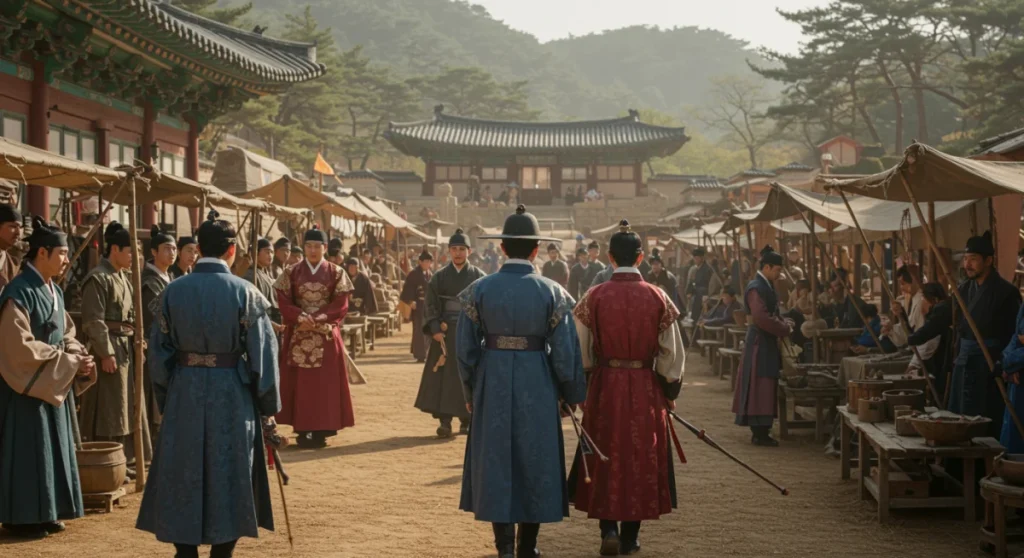
The visual aesthetics of Joseon Sageuk are also a major draw. The exquisite hanbok (traditional Korean attire), the majestic palaces, and the serene traditional houses all contribute to an immersive viewing experience. These elements not only provide visual splendor but also deeply inform the cultural context of the stories being told.
Iconic Sageuk Dramas You Must Watch
With hundreds of historical Korean dramas available, knowing where to start can be daunting. Certain titles have achieved critical acclaim and widespread popularity, becoming essential viewing for anyone interested in the genre. These dramas often set benchmarks for storytelling, acting, and production quality.
From epic tales of nation-building to intimate character studies, these iconic Sageuk offer a diverse introduction to the genre’s best. They showcase the breadth of Korean history and the enduring appeal of its narratives, captivating audiences with their compelling plots and memorable characters.
Recommended Sageuk for Newcomers
For those new to historical Korean dramas, starting with widely acclaimed and accessible titles is often the best approach. These dramas are generally well-produced, feature strong performances, and have storylines that are easy to follow, even for viewers unfamiliar with Korean history.
“Dae Jang Geum” (Jewel in the Palace): A classic tale of an orphaned kitchen maid who becomes the king’s first female physician, highlighting perseverance and skill.
“Sungkyunkwan Scandal”: A lighter, romantic Sageuk about a young woman who disguises herself as a man to attend the prestigious Sungkyunkwan academy.
“Moon Embracing the Sun”: A fantasy romance between a king and a shaman, filled with political intrigue and a fated love story.
“Mr. Sunshine”: A visually stunning and emotionally powerful drama set at the turn of the 20th century, focusing on love, sacrifice, and the fight for Korean independence.
These dramas not only entertain but also serve as excellent entry points into the rich historical and cultural tapestry that Sageuk represents. They demonstrate the genre’s versatility and its capacity to tell stories that resonate universally, regardless of historical context.
The Cultural Impact and Global Appeal of Sageuk
Historical Korean dramas have played a significant role in the global spread of Korean culture, often referred to as the Hallyu wave. Their intricate plots, high production values, and compelling characters have garnered millions of fans worldwide, transcending language and cultural barriers.
Sageuk offers more than just entertainment; it provides a window into Korean history, traditions, and societal values. Viewers learn about historical figures, key events, traditional clothing (hanbok), food, and customs, fostering a deeper appreciation for Korean heritage. This cultural exchange is a powerful aspect of Sageuk’s global appeal.
Fostering Cultural Understanding
By dramatizing historical events and human experiences, Sageuk makes history accessible and relatable. It allows international audiences to connect with Korean narratives on an emotional level, fostering empathy and understanding. The universal themes of love, loss, ambition, and resilience found in these dramas resonate deeply with viewers from all walks of life.
Historical Education: Provides an engaging way to learn about significant periods and figures in Korean history.
Cultural Immersion: Showcases traditional Korean art, architecture, music, and social etiquette.
Language Exposure: Introduces viewers to historical Korean vocabulary and speech patterns, enriching their linguistic understanding.
The meticulous attention to detail in sets, costumes, and historical accuracy (even with creative liberties) contributes to an authentic experience. This dedication ensures that while the stories are fictionalized, the cultural backdrop remains largely faithful, making Sageuk an invaluable cultural ambassador.
Beyond Joseon: Exploring Other Historical Eras in Sageuk
While the Joseon Dynasty dominates the Sageuk landscape, the genre also ventures into other fascinating periods of Korean history, offering diverse narratives and perspectives. These less-explored eras provide unique stories of ancient kingdoms, legendary heroes, and the formation of the Korean identity.
Exploring Sageuk from different periods allows viewers to gain a more comprehensive understanding of Korea’s long and complex history. From the mythical founding of Gojoseon to the tumultuous Goryeo Dynasty, each era presents its own set of challenges, triumphs, and defining characteristics that make for compelling television.
Notable Periods and Their Dramas
Dramas set in these alternative historical periods often highlight different aspects of Korean culture and political development. They can be more challenging to produce due to scarcer historical records, but they offer fresh narratives that break away from the familiar Joseon tropes.
Three Kingdoms Period (Goguryeo, Baekje, Silla): Dramas like “Jumong” and “Queen Seondeok” explore the arduous processes of nation-building and unification, filled with epic battles and political maneuvers.
Goryeo Dynasty (918-1392): “Moon Lovers: Scarlet Heart Ryeo” and “Empress Ki” depict a period often characterized by its vibrant culture, Buddhist influence, and complex relations with neighboring empires.
Balhae Kingdom (698-926): Though less common, some Sageuk touch upon this often-overlooked kingdom, highlighting its unique cultural blend and resilient spirit.
These dramas expand the scope of Sageuk, demonstrating that Korean history is rich with untold stories waiting to be brought to life on screen. They provide a deeper appreciation for the foundational elements that shaped modern Korea, moving beyond the well-trodden paths of Joseon.
The Art of Sageuk Production: From Costumes to Cinematography
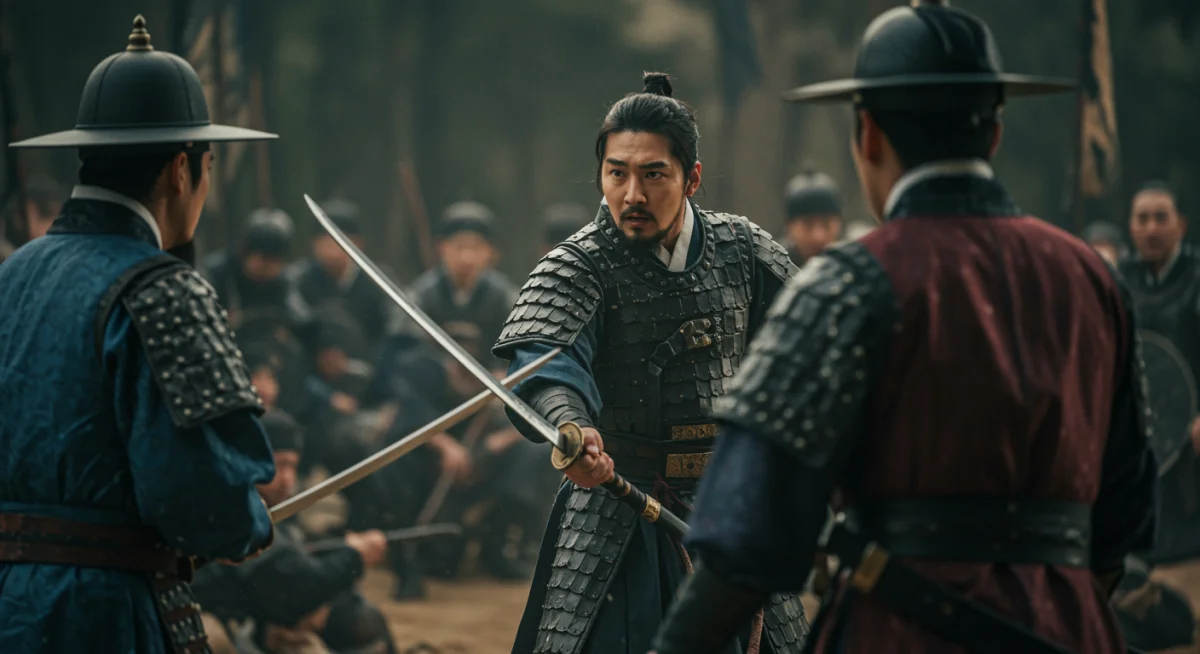
The visual grandeur of historical Korean dramas is a significant factor in their appeal. The meticulous attention to detail in production design, from the elaborate costumes to the sprawling sets and stunning cinematography, elevates Sageuk to an art form. This commitment to visual excellence creates an immersive and believable historical world for viewers.
The production teams behind Sageuk often undertake extensive research to ensure historical accuracy in their portrayals, even when narrative liberties are taken. This dedication is evident in every frame, making each drama a feast for the eyes and a testament to Korean artistic craftsmanship. The effort invested in these productions is truly remarkable.
Elements of Sageuk Production Excellence
Each component of Sageuk production plays a crucial role in creating the overall historical ambiance. The synergy between these elements is what makes these dramas so captivating and visually stunning, setting them apart from many contemporary productions.
Costumes (Hanbok): Exquisitely designed hanbok, varying by social status, era, and occasion, are central to the visual appeal, often requiring months of preparation.
Sets and Locations: Grand palaces, traditional villages, and breathtaking natural landscapes are either meticulously built or carefully chosen to reflect the historical period.
Cinematography: High-definition cameras and skilled directors capture sweeping vistas and intimate character moments with artistic precision, often utilizing traditional Korean aesthetics.
Music (OSTs): Original Soundtracks for Sageuk often blend traditional Korean instruments with modern orchestral arrangements, enhancing the emotional depth of the narrative.
The investment in these production elements is substantial, reflecting the high value placed on historical dramas in Korea. This commitment ensures that Sageuk continues to deliver an unparalleled viewing experience, combining historical richness with visual splendor. The result is a genre that is both aesthetically pleasing and intellectually stimulating, offering a complete sensory experience to its global audience.
Key Aspect
Brief Description
What is Sageuk?
Historical Korean dramas depicting various dynastic eras, blending history with compelling fiction.
Joseon Dynasty Focus
Most popular setting, offering rich narratives of court politics, social struggles, and royal lives.
Global Impact
Significant contributor to Hallyu, fostering cultural understanding and appreciation worldwide.
Production Excellence
Known for elaborate costumes, detailed sets, stunning cinematography, and evocative soundtracks.
Frequently Asked Questions about Historical Korean Dramas
What distinguishes Sageuk from other drama genres?▼
Sageuk is uniquely characterized by its historical setting, often set in Korea’s dynastic periods. It blends factual events and figures with fictional narratives, elaborate traditional costumes, and meticulous sets, aiming to immerse viewers in a bygone era while exploring timeless themes like power, love, and justice.
Are Sageuk dramas historically accurate?▼
While Sageuk dramas are set in historical periods and often feature real historical figures, they frequently take creative liberties for dramatic effect. Some aim for higher accuracy, while others prioritize compelling storytelling over strict historical adherence, creating a genre known as “fusion Sageuk.”
Which historical period is most commonly featured in Sageuk?▼
The Joseon Dynasty (1392-1897) is by far the most frequently depicted period in Sageuk. Its 500-year history offers a wealth of political intrigue, social dynamics, and compelling characters, providing a rich backdrop for countless dramatic narratives and explorations of Korean culture.
What are some essential Sageuk dramas for beginners?▼
For newcomers, excellent starting points include “Dae Jang Geum” (Jewel in the Palace) for its inspiring story, “Sungkyunkwan Scandal” for a lighter romance, “Moon Embracing the Sun” for fantasy, and “Mr. Sunshine” for a visually stunning epic. These offer diverse entry points into the genre.
How has Sageuk contributed to the Hallyu wave?▼
Sageuk has significantly boosted the Hallyu wave by introducing global audiences to Korean history, culture, and values through engaging storytelling. Its high production quality, intricate plots, and universal themes have captivated millions, fostering a deeper appreciation for Korean heritage and artistic expression worldwide.
Conclusion
The world of historical Korean dramas, or Sageuk, is a vibrant and endlessly fascinating realm that offers much more than just entertainment. It is a portal to Korea’s rich past, a testament to its enduring storytelling traditions, and a powerful cultural ambassador. From the elaborate costumes and breathtaking sets to the intricate plots and unforgettable characters, Sageuk provides a comprehensive and immersive experience. Whether you are a seasoned fan or a curious newcomer, delving into these dramas promises a journey filled with historical insights, emotional depth, and cinematic grandeur. The continuous evolution of the genre ensures that there will always be new stories to discover, each one a unique thread in the vast and beautiful tapestry of Korean history.