Exploring the Cultural Significance of Food in Asian Dramas
Food in Asian dramas is more than sustenance; it's a powerful narrative tool reflecting cultural identity, familial bonds, personal growth, and societal norms, deeply enriching storytelling.
Por: Debora em 4 de fevereiro de 2026
Food in Asian dramas transcends mere nourishment, serving as a profound narrative device that illuminates cultural identity, strengthens familial ties, underscores personal journeys, and mirrors societal values, thereby significantly enriching the storytelling.
Have you ever noticed how often food takes center stage in your favorite Asian dramas? From heartwarming family dinners to dramatic confrontations over a shared meal, exploring the cultural significance of food in Asian dramas reveals a fascinating layer of storytelling that goes far beyond simple sustenance.
Food as a Reflection of Cultural Identity and Heritage
Food in Asian dramas is rarely just food; it’s a vibrant tapestry woven with threads of cultural identity and heritage. Each dish, ingredient, and cooking method often carries generations of history, regional pride, and traditional values, offering viewers a delicious glimpse into the diverse cultures portrayed.
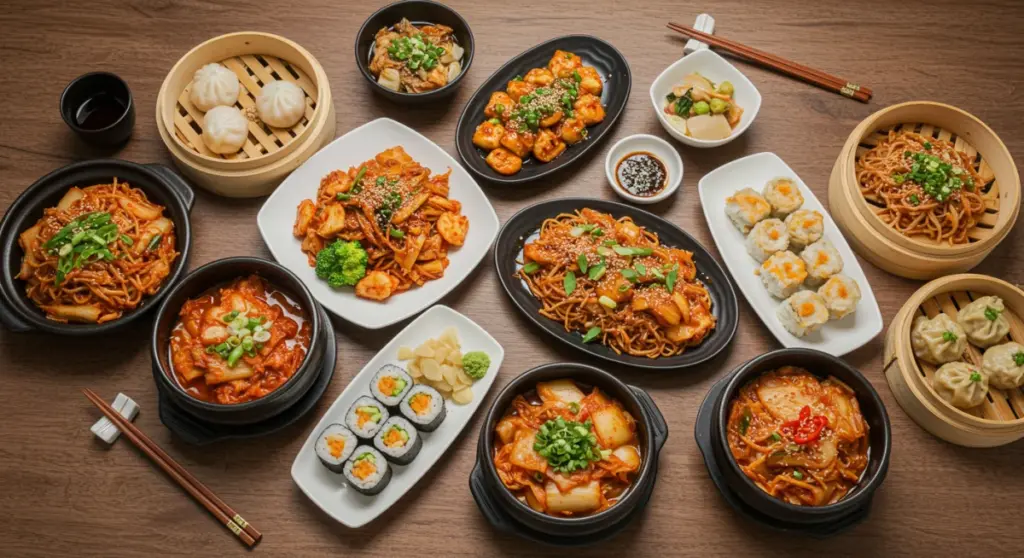
Consider the myriad of regional dishes presented across different dramas. A Korean drama might feature a steaming bowl of kimchi jjigae, a staple that embodies comfort and tradition, while a Chinese drama could highlight the intricate preparation of dim sum, symbolizing familial gatherings and celebration. These culinary details are not accidental; they are deliberately chosen to ground the narrative in authentic cultural contexts, making the stories more relatable and immersive for audiences both within and outside of Asia.
Symbolism in Ingredients and Preparation
The choice of ingredients and the way food is prepared often hold deep symbolic meaning, reflecting cultural beliefs and character traits. For instance, specific herbs or spices might signify good fortune or healing, while the meticulous process of making a traditional dish can represent patience, dedication, or respect for elders.
Kimchi in K-dramas: Beyond its spicy flavor, kimchi symbolizes Korean resilience, community, and identity, often shown being made communally.
Noodles in C-dramas: Long noodles frequently represent longevity and good health, especially during birthdays and celebrations.
Bento in J-dramas: A carefully packed bento box signifies care, love, and attention to detail, often prepared by a loved one.
Tea Ceremonies: The intricate rituals of tea ceremonies in various Asian dramas embody respect, tranquility, and a connection to ancient traditions.
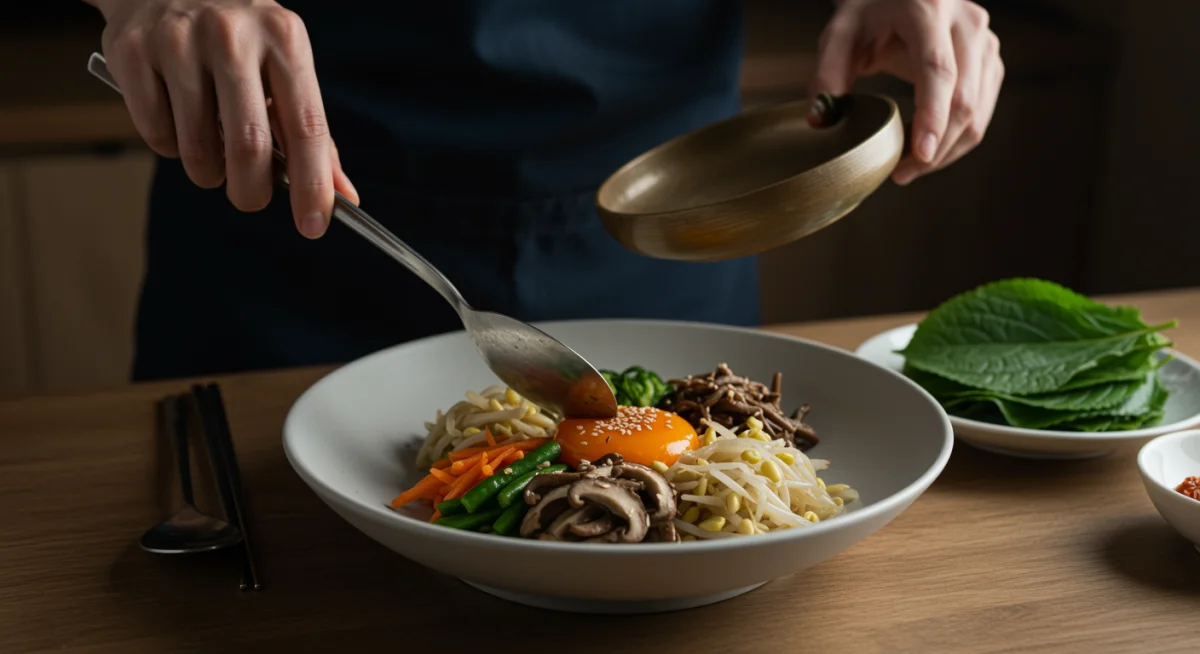
Moreover, the preparation of food can serve as a metaphor for personal growth or transformation. A character learning to cook a complex dish might be simultaneously navigating a difficult life challenge, with their culinary journey mirroring their emotional development. This intertwining of food and personal narrative adds significant depth to the characters and their arcs.
Ultimately, food in these dramas acts as a powerful cultural ambassador. It educates viewers about customs, traditions, and the values deeply embedded within Asian societies, transforming a simple viewing experience into a rich cultural exploration. It shows that culture is not just about grand gestures but also about the everyday rituals that bring people together.
Food as a Catalyst for Relationships and Emotional Expression
Beyond its cultural significance, food in Asian dramas frequently acts as a powerful catalyst for developing and expressing relationships. It’s a common ground where characters connect, communicate, and convey emotions that might otherwise remain unspoken. Meals become intimate settings for confessions, reconciliations, and the forging of new bonds.
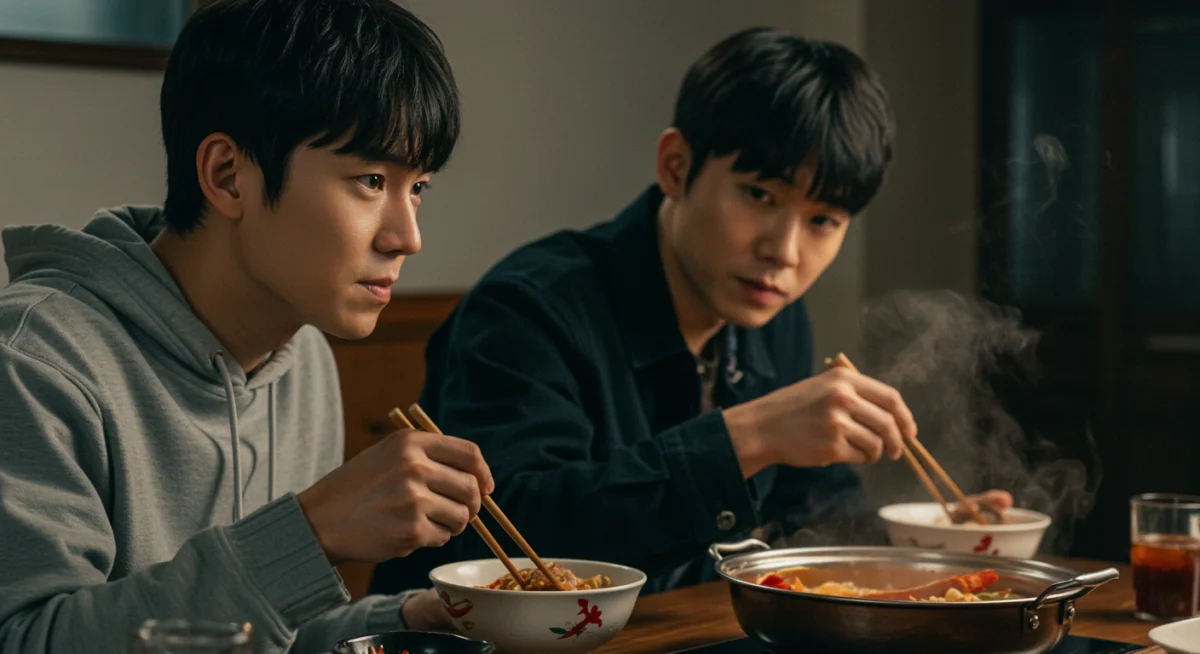
Think about the numerous scenes where characters bond over a shared meal, whether it’s a casual street food encounter or a formal family dinner. These moments are often pivotal, allowing for vulnerability and genuine interaction. A character might cook a meal to show affection, apologize, or offer comfort, making the act of eating together a profound expression of care.
Building Bonds Through Shared Meals
The act of sharing food is inherently communal and intimate. In Asian dramas, this is often amplified, turning a simple meal into a significant event that strengthens existing relationships or initiates new ones. Food provides a non-verbal language for characters to convey their feelings.
Family Gatherings: Elaborate meals often serve as the backdrop for family dynamics, revealing tensions, joys, and unspoken histories.
Romantic Gestures: Preparing or sharing a favorite dish can be a tender way for characters to express romantic interest or deepen their connection.
Friendship Development: Casual meals at a local eatery often mark the beginning or strengthening of friendships, creating shared memories.
Furthermore, food can be a bridge across social divides or a means of reconciliation. A character offering food to an adversary or a stranger can symbolize an olive branch or an act of unexpected kindness, breaking down barriers and fostering understanding. The simple gesture of sharing can disarm conflict and pave the way for empathy.
The emotional impact of food is also evident in how it’s used to comfort or heal. A warm bowl of soup might be offered to someone feeling ill or heartbroken, symbolizing warmth, care, and a desire to nurture. This use of food as a form of emotional support resonates deeply with viewers, highlighting its universal power to soothe and connect.
In essence, food in these narratives serves as a universal language of emotion. It allows characters to express love, sorrow, anger, and joy in ways that words sometimes cannot, making it an indispensable element in the intricate web of relationships depicted on screen. The shared experience of a meal transforms into a powerful narrative device.
Food as a Narrative Device and Plot Driver
Food in Asian dramas is not merely background scenery; it frequently functions as a dynamic narrative device and a crucial plot driver. It can initiate conflicts, resolve misunderstandings, reveal hidden truths, and even dictate the direction of an entire story arc. The culinary world often provides the stage for significant dramatic events.
Consider dramas where a character’s profession revolves around cooking or running a restaurant. The challenges and triumphs within the culinary industry often mirror their personal struggles and successes. A cooking competition might be the ultimate test of skill and resilience, while a failing restaurant could symbolize a character’s downturn in life, with its revival representing their personal redemption.
Unraveling Mysteries and Revealing Secrets
Food can often be the key to unlocking mysteries or revealing long-held secrets within a drama. A specific dish might trigger a forgotten memory, a family recipe could hold clues to a character’s past, or a particular ingredient might expose a deception. This use of food adds an intriguing layer of suspense and discovery to the plot.
Memory Triggers: A taste or smell can transport characters back in time, unveiling flashbacks or forgotten events.
Inherited Recipes: Ancient family recipes often carry historical significance or hidden messages from ancestors.
Culinary Competitions: These often serve as high-stakes environments where characters’ true motivations and pasts are exposed.
Moreover, food can symbolize a character’s journey of self-discovery. Learning to cook a new cuisine or mastering a difficult dish can represent a character stepping out of their comfort zone, embracing new challenges, and ultimately finding their true calling. This personal growth through culinary exploration is a recurring and compelling theme.
The act of preparing and sharing food can also be used to highlight social commentary. Dramas might explore themes of poverty, class disparity, or the challenges faced by small business owners through the lens of a struggling food stall or restaurant. These narratives use food to ground complex societal issues in relatable, everyday experiences, making them more impactful.
In conclusion, food in Asian dramas is a powerful storytelling tool. It’s not just about what characters eat, but how they interact with food, what it means to them, and how it propels the narrative forward, adding layers of meaning and intrigue to every scene.
Food as a Symbol of Nostalgia and Comfort
For many characters in Asian dramas, food serves as a powerful symbol of nostalgia and comfort, deeply intertwined with memories of home, family, and simpler times. A particular dish can evoke a flood of emotions, transporting them back to childhood or cherished moments with loved ones. This connection makes food a potent emotional anchor throughout the narratives.
Often, characters facing adversity or loneliness find solace in familiar foods. A warm bowl of their mother’s homemade soup or a snack from their hometown can provide a much-needed sense of security and belonging. These culinary comforts act as a reminder of their roots and the enduring love that surrounds them, even when physically separated.
The Taste of Home
The concept of ‘the taste of home’ is incredibly strong in Asian dramas. It represents more than just a flavor; it embodies the essence of one’s upbringing, cultural identity, and familial bonds. When characters yearn for or prepare these dishes, they are often seeking a connection to their past or a sense of stability in an uncertain present.
Childhood Favorites: Dishes from childhood often symbolize innocence, security, and a longing for simpler times.
Comfort Food: Specific meals are frequently depicted as go-to items for emotional support during times of stress or sadness.
Family Recipes: Passing down recipes across generations reinforces continuity, heritage, and the enduring presence of ancestors.
Moreover, food can become a medium for characters to process grief or loss. Preparing a deceased loved one’s favorite dish can be a therapeutic act, allowing them to feel closer to that person and keep their memory alive. This ritualistic aspect of food preparation and consumption underscores its role in emotional healing.
The shared experience of eating comfort food also fosters intimacy. When characters share a meal that reminds them of home, they often open up, sharing vulnerabilities and forging deeper connections. This shared vulnerability strengthens their bonds and creates a sense of mutual understanding, reinforcing the idea that food is more than just sustenance.
Ultimately, food in these dramas is a testament to the enduring power of memory and the human need for connection. It reminds viewers that even in the face of change and challenge, the tastes and smells of home can offer an invaluable source of comfort and strength, bridging the past with the present.
Food and Social Class: A Culinary Divide
Asian dramas frequently utilize food to highlight themes of social class and economic disparity, presenting a vivid culinary divide between the rich and the poor. The types of food consumed, the settings in which they are eaten, and the access to certain ingredients often serve as clear indicators of a character’s socioeconomic status, enriching the narrative with social commentary.
On one hand, we see lavish banquets, meticulously prepared gourmet meals, and dining experiences in exclusive restaurants, often associated with characters from wealthy backgrounds. These scenes not only showcase opulence but also symbolize power, status, and a life of privilege. The elaborate presentation and exotic ingredients underscore a world far removed from everyday struggles.
Street Food vs. Fine Dining
The stark contrast between street food and fine dining is a recurring motif used to illustrate class differences. While street food often represents authenticity, community, and the struggles of ordinary people, fine dining symbolizes exclusivity, sophistication, and a detachment from common life. These settings often facilitate interactions between characters from different social strata, highlighting their contrasting realities.
Street Food Stalls: Often depict resilience, hard work, and communal bonding among working-class characters.
Luxury Restaurants: Showcase power dynamics, business dealings, and the often cold, calculating world of the elite.
Food Scarcity: In some narratives, the lack of food or the struggle to afford basic meals emphasizes severe economic hardship.
Moreover, food can become a point of aspiration or a barrier. A character from a humble background might dream of owning a high-end restaurant or mastering a sophisticated cuisine as a path to upward mobility. Conversely, their inability to afford certain foods can underscore the limitations imposed by their social standing, reinforcing the challenges they face in overcoming systemic barriers.
The sharing of food across class lines can also be a powerful narrative device for breaking down preconceived notions. A wealthy character enjoying a humble street food meal, or a poor character being treated to a gourmet dish, can symbolize a moment of connection, empathy, or a challenge to societal norms, fostering understanding between disparate worlds.
In conclusion, food in Asian dramas is more than just sustenance; it’s a profound lens through which social structures and economic realities are explored. It provides visual cues and narrative opportunities to discuss inequality, ambition, and the complex interplay of social class within society.
Food as a Medium for Tradition and Modernity
Asian dramas frequently explore the dynamic tension between tradition and modernity through the lens of food. This theme often manifests as characters grappling with ancestral recipes versus contemporary culinary trends, or the struggle to preserve traditional cooking methods in a rapidly changing world. Food becomes a battleground for cultural identity in flux.
One common storyline involves young chefs or restaurateurs who inherit a traditional family business but wish to modernize it to attract new customers. This often leads to conflicts with older generations who staunchly believe in preserving original flavors and techniques. These culinary disputes reflect broader societal debates about respecting heritage while embracing progress.
Preserving Ancestral Flavors
The preservation of ancestral flavors is a powerful motif, symbolizing the importance of cultural roots and the wisdom passed down through generations. Characters dedicated to maintaining traditional cooking often embody values of respect, patience, and a deep connection to their past. Their struggles highlight the effort required to keep traditions alive in a fast-paced world.
Generational Conflict: Often seen between older family members who adhere to tradition and younger ones seeking innovation.
Fusion Cuisine: Dramas sometimes explore the blending of traditional and modern culinary styles, symbolizing cultural adaptation.
Lost Recipes: The quest to rediscover or revive lost traditional recipes can drive significant plotlines, representing a search for identity.
Conversely, the embrace of modern culinary techniques and global influences signifies a willingness to adapt and evolve. Characters who experiment with fusion cuisine or introduce innovative dishes often represent a forward-thinking perspective, demonstrating how culture can grow and incorporate new elements without losing its essence. This balance is crucial for cultural survival.
Moreover, the setting in which food is consumed can also reflect this dichotomy. Traditional teahouses or family-run eateries often represent a connection to the past, while sleek, modern cafes or international restaurants symbolize contemporary life and global connections. The contrast between these spaces underscores the evolving cultural landscape.
Ultimately, food serves as a poignant metaphor for the ongoing dialogue between tradition and modernity in Asian societies. These dramas use culinary narratives to explore how individuals and communities navigate the challenge of honoring their heritage while forging a new path forward, creating a rich and relatable cultural commentary.
The Global Appeal: Food in Asian Dramas and Its Impact
The global popularity of Asian dramas has significantly amplified the appreciation for Asian cuisine, transforming food from a mere plot element into a cultural phenomenon. As viewers worldwide tune into these compelling narratives, they are exposed to a rich diversity of dishes, sparking curiosity and driving an increased interest in Asian food culture beyond the screen.
This exposure has a tangible impact, influencing dining trends and encouraging viewers to explore new culinary experiences. A dish frequently featured in a popular K-drama, for example, can quickly become a sought-after item in restaurants and home kitchens across the globe. This phenomenon turns dramas into powerful cultural ambassadors, promoting culinary tourism and gastronomic exploration.
Inspiring Culinary Exploration
Asian dramas often present food in such an appealing and detailed manner that it inspires viewers to try cooking the dishes themselves or seek them out in local Asian restaurants. The visual storytelling, often accompanied by characters’ enthusiastic reactions, makes these foods incredibly enticing and accessible.
Recipe Searches: Viewers frequently search for recipes of dishes seen in popular dramas, leading to a global spread of Asian cooking.
Restaurant Visits: The portrayal of specific dishes drives traffic to Asian restaurants, boosting the culinary industry.
Cultural Exchange: Food acts as an entry point for viewers to learn more about Asian customs, ingredients, and dining etiquette.
Furthermore, food in these dramas helps to demystify certain Asian cuisines for a global audience. By showing the everyday consumption and preparation of dishes, it breaks down cultural barriers and makes previously unfamiliar foods seem approachable and desirable. This cultural bridge-building fosters greater understanding and appreciation.
The impact extends beyond individual dishes to the broader culinary philosophy. Viewers gain insights into the importance of fresh ingredients, communal dining, and the artistry of food preparation, which can influence their own eating habits and culinary perspectives. This deeper engagement transforms casual viewing into a meaningful cultural exchange.
In conclusion, the global appeal of Asian dramas has turned food into an integral part of their worldwide success. It not only enriches the narrative but also serves as a powerful tool for cultural soft power, inspiring millions to explore, taste, and appreciate the diverse and delicious world of Asian cuisine.
Key Aspect
Brief Description
Cultural Identity
Food reflects heritage, regional pride, and traditional values in Asian dramas.
Relationship Catalyst
Shared meals build bonds, express emotions, and foster connections between characters.
Narrative Driver
Culinary elements often propel plots, reveal secrets, and symbolize character development.
Global Impact
Dramas inspire global interest in Asian cuisine and cultural exploration.
Frequently Asked Questions About Food in Asian Dramas
Why is food so prominent in Asian dramas?▼
Food is prominent because it serves as a powerful cultural signifier, deeply interwoven with identity, family, and societal norms. It provides rich narrative opportunities to explore character relationships, emotional states, and cultural traditions in a visually engaging and relatable manner, resonating deeply with audiences.
How does food reflect cultural identity in these dramas?▼
Food reflects cultural identity by showcasing traditional dishes, regional specialties, and specific cooking methods that are unique to each culture. It highlights heritage, community values, and the historical significance of ingredients, making each meal a window into the cultural fabric of the drama’s setting.
Can food drive the plot in Asian dramas?▼
Yes, absolutely. Food often acts as a significant plot device, initiating conflicts, resolving misunderstandings, revealing secrets, or symbolizing a character’s personal growth and journey. Culinary challenges, family recipes, or shared meals frequently serve as pivotal moments that advance the storyline and deepen the narrative.
What role does food play in character relationships?▼
Food plays a crucial role in building and expressing character relationships. Shared meals create intimate settings for bonding, confessions, and reconciliations. Preparing food for someone often signifies affection, care, or an apology, acting as a non-verbal language for conveying complex emotions and strengthening interpersonal connections.
How has Asian drama food impacted global audiences?▼
Asian drama food has significantly impacted global audiences by sparking widespread curiosity and appreciation for Asian cuisine. It inspires viewers to try new dishes, seek out Asian restaurants, and even attempt cooking traditional recipes, thereby fostering cultural exchange and boosting the global culinary industry and gastronomic tourism.
Conclusion
In conclusion, the exploration of food in Asian dramas reveals a multifaceted and deeply significant aspect of their storytelling. Far from being mere background elements, culinary traditions, rituals, and shared meals serve as powerful vehicles for cultural identity, emotional expression, and narrative progression. These dramas masterfully use food to forge connections, highlight societal structures, and bridge the gap between tradition and modernity, creating an immersive and enriching viewing experience. The global impact further underscores food’s role as a potent cultural ambassador, inviting audiences worldwide to savor not just the stories, but also the rich and diverse flavors of Asia.