Understanding Common Terms in Asian Dramas: A Glossary for US Viewers
This article provides US viewers with an essential glossary of common terms found in Asian dramas, covering cultural nuances, character archetypes, and plot devices across K-dramas, C-dramas, and J-dramas to enrich their viewing experience.
Por: Debora em 12 de fevereiro de 2026
This essential guide offers US viewers a comprehensive glossary of common terms and cultural nuances prevalent in Asian dramas, providing clarity and enhancing appreciation for K-dramas, C-dramas, and J-dramas.
For many US viewers, diving into the vibrant world of Asian dramas can be an exhilarating experience, but it often comes with a unique linguistic and cultural learning curve. This guide aims to simplify that journey by offering a comprehensive resource for Understanding Common Terms in Asian Dramas: A Glossary for US Viewers, ensuring you can fully immerse yourself in these captivating stories without missing a beat.
Decoding Korean Drama (K-Drama) Terminology
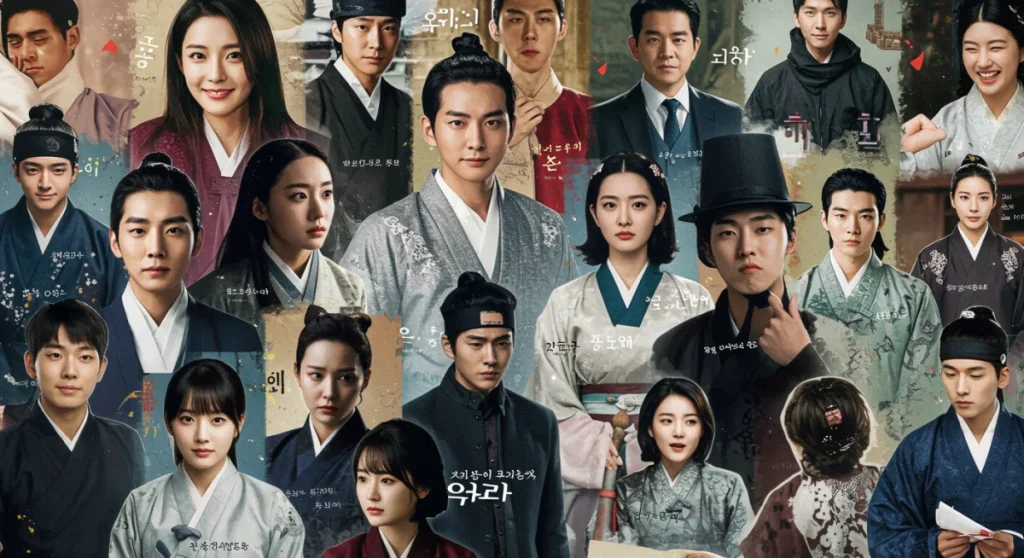
Korean dramas, or K-dramas, have captivated global audiences with their compelling storytelling, high production values, and memorable characters. However, their unique cultural context often introduces terms that can be unfamiliar to US viewers. Understanding these terms is key to fully appreciating the intricate plots and character dynamics that make K-dramas so popular.
From honorifics to specific plot devices, K-dramas utilize a rich vocabulary that reflects Korean society and traditions. Familiarizing yourself with these words will not only deepen your understanding but also enhance your connection to the characters and their journeys.
Essential K-Drama Character & Relationship Terms
K-dramas often employ specific terms to define character roles and relationship dynamics. These terms are more than just labels; they hint at underlying social structures and expectations within the narrative.
Chaebol: This refers to a large, family-owned business conglomerate in South Korea. In K-dramas, ‘chaebol’ characters are typically wealthy, powerful, and often arrogant, playing significant roles as protagonists, antagonists, or love interests.
Noona/Oppa/Hyung/Unnie: These are honorifics used to address older individuals. ‘Noona’ is used by males for older females, ‘Oppa’ by females for older males, ‘Hyung’ by males for older males, and ‘Unnie’ by females for older females. They signify respect and often affection, indicating a close relationship beyond mere age difference.
Maknae: This term designates the youngest person in a group, family, or workplace. Maknaes are often portrayed as endearing, sometimes mischievous, and typically receive a lot of care and attention from their elders.
Understanding these relationship terms helps viewers grasp the social hierarchy and emotional bonds between characters, which are integral to many K-drama plots. The way characters address each other can reveal their status, intimacy, and the nature of their connection.
Common K-Drama Plot Devices and Settings
K-dramas frequently utilize certain narrative elements and settings that become recurring themes. Recognizing these can help predict plot progression and appreciate the cultural context embedded within the stories.
A classic example is the ‘contract marriage’ or ‘cohabitation’ trope, where characters are forced to live together or marry for practical reasons, only to fall in love. This setup allows for humorous situations and gradual romantic development.
Sageuk: This term refers to historical dramas, often set during Korea’s Joseon Dynasty or earlier periods. Sageuks are known for their elaborate costumes, grand palaces, political intrigue, and epic romances.
Second Lead Syndrome: A common affliction among viewers who find themselves rooting for the kind, supportive, but ultimately unchosen second male lead in a romantic drama. This trope highlights the emotional investment viewers have in character arcs.
Kimchi Slap: A dramatic, often comedic, moment where a character slaps another with kimchi, typically in a fit of anger or frustration. While exaggerated, it signifies a strong emotional outburst within the narrative.
These plot devices, while sometimes cliché, are often executed with fresh perspectives, keeping viewers engaged. They serve as familiar anchors within new stories, allowing for a comfortable yet exciting viewing experience. The consistent use of such elements contributes to the unique identity of K-dramas.
Exploring Chinese Drama (C-Drama) Lexicon
Chinese dramas, or C-dramas, offer a vast and diverse landscape of storytelling, ranging from historical epics to modern romances and fantasy adventures. Just like K-dramas, C-dramas come with their own set of specific terms and cultural references that enrich the narrative. For US viewers, grasping these terms can unlock a deeper appreciation for the rich history and intricate world-building present in many Chinese productions.
The sheer volume of C-dramas available today, particularly in the fantasy and historical genres, means encountering terms related to martial arts, imperial court life, and mythological beings is common. Understanding these elements is crucial for following the plot and appreciating the cultural artistry.
Wuxia and Xianxia: Pillars of C-Drama Fantasy
Two of the most popular genres in C-dramas, particularly those with a fantasy element, are Wuxia and Xianxia. While often conflated, they represent distinct narrative styles and thematic focuses.
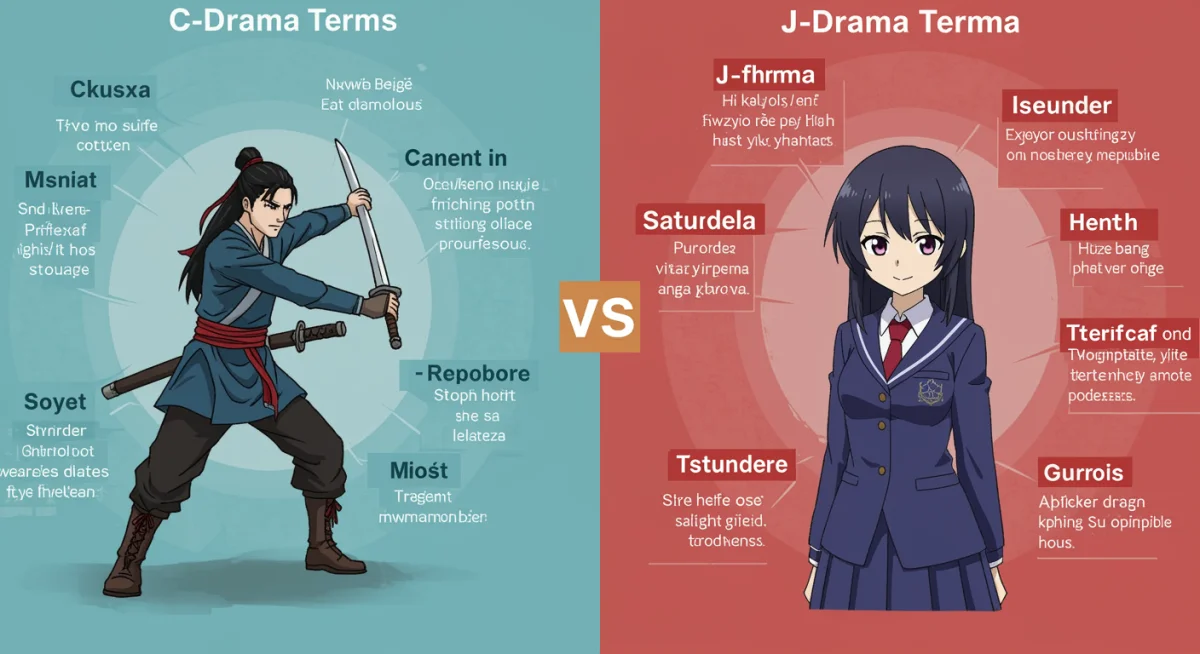
Wuxia, literally meaning ‘martial heroes,’ focuses on human martial artists who achieve extraordinary feats through intense training rather than supernatural powers. These stories often emphasize chivalry, justice, and revenge within a historical setting.
Wuxia: Stories centered on martial artists, often referred to as ‘jianghu’ (rivers and lakes), who live outside the strictures of society. They possess exceptional martial arts skills (kung fu) and uphold a code of honor, fighting against injustice. Think of heroes like those in ‘Crouching Tiger, Hidden Dragon.’
Xianxia: Meaning ‘immortal heroes,’ this genre blends martial arts with Chinese mythology, Taoist philosophy, and cultivation. Characters often achieve immortality, possess magical powers, and battle demons or gods. These dramas feature elaborate special effects and epic battles, often spanning thousands of years.
Cultivation (Xiuxian): A central concept in Xianxia, where characters practice various spiritual and physical disciplines to improve their cultivation base, gain powers, and eventually achieve immortality or godhood. This often involves meditating, absorbing spiritual energy, and overcoming trials.
Distinguishing between Wuxia and Xianxia helps viewers set appropriate expectations for the type of powers, conflicts, and philosophical underpinnings they will encounter. Both genres offer breathtaking visuals and complex narratives, but their core mechanics differ significantly.
Imperial Court and Social Dynamics
Many C-dramas are set within imperial courts, presenting a complex web of political intrigue, power struggles, and strict social hierarchies. Understanding the terminology associated with these settings is essential for navigating the plots.
Emperor/Empress Dowager: The supreme ruler and the emperor’s mother, respectively, holding immense power and influence within the imperial court. Their decisions often dictate the fate of the empire and its people.
Concubine/Consort: Women who are part of the emperor’s harem, ranked according to their status and favor. Their lives are often filled with intense rivalry, political maneuvering, and a constant struggle for power and affection.
Eunuch: Castrated male servants who administer the imperial palace. They often hold significant power and are frequently involved in court intrigues, acting as informants or power brokers.
Jianghu: While mentioned in Wuxia, it also broadly refers to the ‘martial arts world’ or ‘rivers and lakes’ – a society of martial artists and vagrants operating outside official jurisdiction, often with their own codes and conflicts.
These terms illuminate the intricate social fabric of ancient China, where every individual’s position and title carried immense weight. The drama often arises from characters trying to navigate or subvert these rigid systems.
Unpacking Japanese Drama (J-Drama) Concepts
Japanese dramas, or J-dramas, are renowned for their diverse genres, often exploring themes from slice-of-life realism to intense psychological thrillers and quirky comedies. While perhaps not as globally ubiquitous as K-dramas or C-dramas, J-dramas have a dedicated following and offer unique storytelling perspectives. For US viewers, understanding some key Japanese cultural concepts and drama-specific terms can significantly enhance the viewing experience, providing context for character motivations and plot developments.
J-dramas often delve deep into human psychology, societal pressures, and the complexities of relationships, frequently reflecting Japan’s distinct social norms and values. A basic grasp of these underlying concepts will make the narratives more relatable and impactful.
Key Cultural and Social Terms in J-Dramas
Many J-dramas are deeply rooted in Japanese societal norms and cultural values. Terms related to respect, duty, and social roles are frequently encountered and are critical for understanding character interactions and conflicts.
Senpai/Kōhai: ‘Senpai’ refers to a senior colleague or mentor, typically in school or work, while ‘Kōhai’ refers to their junior. This relationship emphasizes respect, guidance, and loyalty, forming a crucial part of social dynamics in many J-dramas.
Giri: Often translated as ‘duty’ or ‘obligation,’ Giri represents a complex social concept of reciprocal obligations and social debt. Characters in J-dramas often struggle with their Giri, making choices based on what is expected of them rather than personal desire.
Honne/Tatemae: ‘Honne’ refers to a person’s true feelings and desires, while ‘Tatemae’ is the public facade or behavior they present to society. This dichotomy is a common theme in J-dramas, exploring characters’ internal struggles between their true selves and societal expectations.
These terms highlight the nuanced social fabric of Japan, where interpersonal relationships and unspoken rules play a significant role. Recognizing these dynamics allows viewers to appreciate the subtle complexities of character development and plot.
J-Drama Genres and Common Tropes
J-dramas excel in a variety of genres, often delivering narratives with distinct pacing and thematic focus. Being aware of some common tropes can help viewers navigate the diverse offerings.
The ‘salaryman’ drama, for instance, often focuses on the daily lives and struggles of corporate employees, reflecting the work culture in Japan. These dramas can be surprisingly insightful and heartwarming.
Dorama: The general Japanese term for television drama, encompassing all genres. While often used interchangeably with J-drama, ‘dorama’ is the native term.
Tsundere: A character archetype that describes someone who acts cold, aloof, or even hostile towards a love interest, while secretly harboring warm and affectionate feelings. This dynamic often leads to comedic and heartwarming moments.
Idol Drama: Dramas that feature popular Japanese idols (singers, actors, models) in leading roles. These often target a younger audience and can range from school romances to fantasy adventures.
J-dramas frequently offer unique takes on universal themes, often with a focus on character growth and emotional depth. Their diverse range ensures there’s something for every viewer, from lighthearted school romances to intense psychological thrillers.
Understanding Pan-Asian Drama Tropes and Archetypes
Beyond the specific terminologies of K-dramas, C-dramas, and J-dramas, there are several overarching tropes, character archetypes, and narrative devices that appear across various Asian drama productions. Recognizing these common elements can provide US viewers with a broader framework for understanding and enjoying the diverse range of storytelling from the region. These shared patterns often reflect common cultural values, narrative preferences, and audience expectations that transcend national borders within Asia.
From Cinderella stories to powerful female leads, many Asian dramas employ familiar blueprints that are tweaked and retold in countless compelling ways. Identifying these recurring themes can enhance the viewing experience by offering a sense of familiarity amidst cultural differences.
Universal Character Archetypes
Across Asian dramas, certain character types reappear frequently, often serving similar narrative functions regardless of the drama’s origin. These archetypes resonate deeply with audiences due to their relatable struggles and aspirations. Silent Shadows is a good example of a drama with strong character archetypes.
The Noble Idiot/Candy Girl: A female protagonist who is incredibly kind-hearted, often naive, resilient, and relentlessly optimistic despite facing numerous hardships. She often works hard to support herself or her family and eventually wins the heart of the male lead through her genuine nature.
The Rich, Arrogant Male Lead: Often a ‘chaebol’ (K-drama), young master (C-drama), or wealthy CEO (J-drama) who initially treats the female lead poorly but slowly falls for her unique charm and kindness. This character often undergoes significant personal growth.
The Supportive Second Lead: A character, usually male, who is kind, thoughtful, and deeply in love with the female lead but is destined to be unchosen. This archetype often garners significant sympathy and creates ‘Second Lead Syndrome’ among viewers.
These archetypes, while sometimes criticized for being formulaic, are often beloved for the emotional journeys they undertake and the satisfying resolutions they provide. They are foundational to many romantic and dramatic narratives.
Common Narrative Tropes and Themes
Asian dramas frequently revisit certain narrative structures and thematic concerns, reflecting shared cultural values and storytelling traditions. These tropes, when executed well, can provide comforting familiarity and powerful emotional impact.
Fated Love/Red String of Fate: The idea that two people are destined to be together, often symbolized by an invisible ‘red thread’ connecting them. This trope adds a layer of destiny and romantic inevitability to relationships.
Amnesia: A frequent plot device where a character loses their memory, leading to dramatic misunderstandings, identity crises, and often a rediscovery of past relationships. It’s a common way to reset character dynamics or introduce suspense.
Revenge Plot: Many dramas, especially historical or action-oriented ones, feature a protagonist seeking revenge for past wrongs committed against themselves or their family. This often drives the entire narrative and involves elaborate schemes and confrontations.
Love Triangle/Square: A staple in romantic dramas, where three or more characters are entangled in complex romantic relationships, often leading to emotional conflict and difficult choices.
These pan-Asian tropes and themes demonstrate a shared cultural appreciation for certain narrative structures and emotional arcs. While each country puts its unique spin on them, the underlying patterns provide a comforting familiarity for viewers across different drama traditions.
Navigating Cultural Nuances for US Viewers
Beyond specific vocabulary, Asian dramas are rich with cultural nuances that might not be immediately obvious to US viewers. Understanding these subtle differences is crucial for fully appreciating character motivations, social interactions, and even comedic timing. What might seem like an overreaction or an unusual custom can often be deeply rooted in cultural values and societal expectations. Recognizing these elements allows for a more empathetic and informed viewing experience, bridging the cultural gap and making the stories even more impactful.
From forms of address to expressions of emotion, Asian cultures often communicate in ways that differ from Western norms. Being aware of these distinctions helps in interpreting character actions and dialogue accurately, preventing misinterpretations.
Importance of Honorifics and Politeness Levels
In many Asian languages, particularly Korean and Japanese, the choice of address and verb endings reflects the relationship between speakers, their relative ages, and social status. This goes far beyond simple ‘Mr.’ or ‘Ms.’.
Formal vs. Informal Speech: Asian languages often have distinct speech levels. Using informal speech with an elder or superior is considered highly disrespectful, while overly formal speech with a close friend can seem distant. Dramas often highlight characters who intentionally use inappropriate speech levels to convey disdain or intimacy.
Bowing: A common form of greeting and showing respect in many East Asian cultures. The depth and duration of a bow can convey different levels of respect, apology, or gratitude. In dramas, a character’s bow can reveal much about their humility or defiance.
Food Culture and Sharing: Meals are often communal events in Asian dramas, symbolizing family bonds, reconciliation, or social gatherings. The way food is prepared, served, and eaten can carry significant cultural meaning, from offering the best portions to elders to sharing dishes as a sign of intimacy.
These politeness levels and customs are not just superficial gestures; they are deeply ingrained in the social fabric and are frequently used in dramas to develop character relationships, create conflict, or demonstrate personal growth. Paying attention to these details can unlock a richer understanding of character dynamics.
Expressions of Emotion and Conflict Resolution
The way emotions are expressed and conflicts are resolved in Asian dramas can sometimes differ from Western conventions. Understanding these cultural nuances helps in interpreting character reactions and underlying tensions.
For example, direct confrontation or overt emotional displays might be less common in some Asian cultures, leading to more subtle expressions of anger or sadness. Characters might internalize their feelings or express them through indirect means, which can sometimes be misunderstood by Western audiences.
Indirect Communication: Many Asian cultures favor indirect communication to maintain harmony and avoid direct confrontation. Characters might hint at their feelings or use metaphors rather than stating things explicitly. This can lead to dramatic misunderstandings or prolonged emotional tension.
Filial Piety: A core Confucian value emphasizing respect and obedience to one’s parents and elders. This theme frequently appears in dramas, influencing characters’ life choices, relationships, and often creating significant internal or external conflict.
Saving Face: The concept of maintaining one’s dignity and reputation, and avoiding humiliation. Characters often go to great lengths to ‘save face’ for themselves or others, which can drive plot points, especially in situations involving social standing or personal honor.
These cultural nuances are not just background details; they are often central to the drama’s narrative, shaping character arcs, relationship dynamics, and overall plot development. By recognizing and appreciating these differences, US viewers can gain a more profound and meaningful connection to the stories unfolding on screen.
Glossary of General Asian Drama Terms and Phrases
To further assist US viewers in their journey through Asian dramas, here is a consolidated glossary of additional common terms and phrases that frequently appear across various drama types, from K-dramas to C-dramas and J-dramas. This section aims to provide quick definitions for words that may not fit neatly into a single category but are nevertheless essential for enhancing understanding and enjoyment.
This glossary covers everything from common expressions of affection to genre-specific terminology that adds flavor and depth to the narratives. Having these terms at your fingertips will help you catch nuances and inside jokes that might otherwise be missed.
Everyday Expressions and Interjections
Many Asian dramas feature common interjections and casual phrases that, once understood, add significant flavor to dialogue and character interactions. These are often used to express surprise, agreement, or disagreement.
Aigoo (Korean): An exclamation of frustration, surprise, exasperation, or sometimes even pity. It’s a versatile sound that carries a lot of emotional weight.
Arigato/Gomawo (Japanese/Korean): ‘Thank you.’ While simple, hearing these expressions frequently helps reinforce politeness and gratitude within the cultural context.
Daebak (Korean): An exclamation meaning ‘awesome,’ ‘jackpot,’ or ‘great success.’ It’s used to express excitement or approval.
Fighting!/Hwaiting! (Korean/English loanword): A phrase of encouragement, often heard as ‘Hwaiting!’ It means ‘Good luck!’ or ‘You can do it!’ and is used to cheer someone on.
These small linguistic details contribute immensely to the authenticity and relatability of characters. Understanding them allows viewers to feel more connected to the on-screen conversations and emotional beats.
Genre-Specific and Plot-Related Terms
Certain terms are more prevalent within specific genres or are integral to common plot structures found across Asian dramas. Knowing these helps in categorizing and understanding the narrative intentions.
OST (Original Soundtrack): The musical score and songs specifically composed for a drama. OSTs are often highly popular and integral to a drama’s emotional impact, with many fans following dramas specifically for their soundtracks.
Fan Service: Elements included in a drama primarily to please the audience, often involving attractive actors, shirtless scenes, or romantic interactions that cater to fan desires rather than strictly serving the plot.
Makjang (Korean): A genre of K-drama known for its extreme, over-the-top plotlines, often involving birth secrets, revenge, adultery, and dramatic twists that push the boundaries of realism for entertainment value.
Bromance/Womance: A close, non-romantic bond between two male (bromance) or two female (womance) characters. These friendships are often central to the plot and can be as compelling as the main romantic storyline.
This expanded glossary serves as a quick reference, allowing US viewers to confidently navigate the rich and varied world of Asian dramas. The more familiar you become with these terms, the more deeply you can engage with the intricate narratives and vibrant cultures presented in each series.
Enhancing Your Asian Drama Viewing Experience
As US viewers continue to embrace the captivating world of Asian dramas, a deeper understanding of their unique terminology and cultural nuances becomes increasingly valuable. Moving beyond subtitles to grasp the underlying meanings of words and social cues can transform a casual viewing into a truly immersive and enriching experience. This enhanced appreciation doesn’t just come from knowing definitions; it stems from recognizing how these terms shape character interactions, drive plot developments, and reflect the rich cultural tapestries from which these stories emerge.
By actively engaging with the language and cultural context, viewers can unlock layers of meaning that might otherwise be missed. This conscious effort allows for a more profound connection with the characters and their journeys, making the emotional impact of each drama even greater.
Tips for Deeper Engagement
To fully immerse yourself in Asian dramas, consider adopting a few practices that go beyond simply watching the episodes. These tips can help you bridge the cultural and linguistic gaps, fostering a more complete understanding.
Pay Attention to Subtleties: Look beyond explicit dialogue. Observe body language, facial expressions, and the use of honorifics or specific speech patterns. These often convey as much, if not more, than the spoken words.
Research Cultural Context: If a term or custom seems particularly confusing, a quick online search can often provide valuable insights. Understanding historical backgrounds, social norms, or mythological references can clarify many plot points.
Engage with Fan Communities: Online forums, social media groups, and fan sites are excellent resources for discussing dramas, asking questions about cultural references, and learning from other experienced viewers. These communities often provide breakdowns of complex terms and theories.
These practices encourage active viewing, transforming you from a passive observer into an informed participant in the drama’s world. The more you learn, the more you will appreciate the artistry and cultural depth of these productions.
The Evolving Landscape of Asian Dramas
The world of Asian dramas is constantly evolving, with new genres, storytelling techniques, and cultural fusions emerging regularly. What remains constant, however, is the importance of cultural literacy for a truly global audience. As dramas gain international traction, creators are often mindful of making their stories accessible, but the core cultural elements will always remain.
This continuous evolution means that the glossary of terms will also grow. Staying curious and open to learning new concepts will ensure that your viewing experience remains fresh and engaging, no matter how many dramas you’ve watched.
Cross-Cultural Storytelling: Many modern dramas increasingly incorporate international elements, whether through diverse cast members, global settings, or universal themes that resonate across cultures. This blend enriches the narratives and offers new perspectives.
Adaptations and Remakes: The popularity of Asian dramas has led to numerous adaptations, both within Asia and in Western countries. Understanding the original cultural context can provide a deeper appreciation for how these stories are reinterpreted.
Ultimately, the journey of Understanding Common Terms in Asian Dramas: A Glossary for US Viewers is an ongoing one, filled with discovery and delight. Each new term learned and each cultural nuance grasped opens up a richer, more vibrant world of storytelling. Embrace the learning process, and let these incredible dramas transport you to new cultural horizons.
Key Term
Brief Description
Chaebol
A large, wealthy, family-owned business conglomerate in South Korea, often featuring powerful and sometimes arrogant characters.
Wuxia/Xianxia
Chinese drama genres: Wuxia focuses on martial arts heroes; Xianxia incorporates magic, cultivation, and immortality.
Senpai/Kōhai
Japanese terms for senior/junior relationships in school or work, emphasizing respect and guidance.
Second Lead Syndrome
Viewer’s emotional attachment to the kind, supportive character who is not the main romantic choice.
Frequently Asked Questions About Asian Drama Terms
What is the difference between ‘Oppa’ and ‘Hyung’ in K-dramas?▼
‘Oppa’ is used by females to address an older male, typically a brother, friend, or boyfriend, signifying affection and respect. ‘Hyung’ is used by males to address an older male, usually a brother or close friend. Both indicate a close, but hierarchical, relationship.
What does ‘Makjang’ mean in the context of K-dramas?▼
‘Makjang’ refers to a K-drama genre characterized by extreme, over-the-top plotlines. These often include dramatic twists like birth secrets, revenge, adultery, and sudden illnesses, designed to maximize shock value and viewer engagement.
How do ‘Wuxia’ and ‘Xianxia’ differ in Chinese dramas?▼
‘Wuxia’ focuses on human martial artists achieving extraordinary feats through training, emphasizing honor and justice. ‘Xianxia’ integrates martial arts with Chinese mythology, Taoist cultivation, and magic, often involving immortals, gods, and demons.
What is ‘Tsundere’ in J-dramas?▼
‘Tsundere’ is a character archetype, typically a love interest, who initially acts cold, hostile, or aloof towards another person but gradually reveals a warm, caring, and affectionate side. This often creates comedic or endearing romantic tension.
Why is ‘Filial Piety’ important in many Asian dramas?▼
Filial Piety, a core Confucian value, emphasizes respect and obedience to parents and elders. In dramas, it often drives character decisions, creates conflicts between personal desires and family obligations, and is central to themes of duty, sacrifice, and family honor.
Conclusion
Navigating the rich and diverse world of Asian dramas as a US viewer is an incredibly rewarding experience, made even richer by a solid grasp of their unique terminologies and cultural nuances. This glossary has aimed to demystify some of the most common terms from K-dramas, C-dramas, and J-dramas, ranging from character archetypes and plot devices to fundamental cultural concepts. By understanding terms like ‘chaebol,’ ‘Wuxia,’ ‘Senpai,’ or ‘Filial Piety,’ viewers can move beyond mere translation to truly appreciate the intricate storytelling, character motivations, and societal reflections embedded within these captivating series. As the global appeal of Asian dramas continues to grow, this journey of cultural and linguistic discovery promises to enhance your viewing pleasure, fostering a deeper connection with the narratives and the vibrant cultures they represent.