Asian Drama OST Guide: Identifying Key Musical Themes
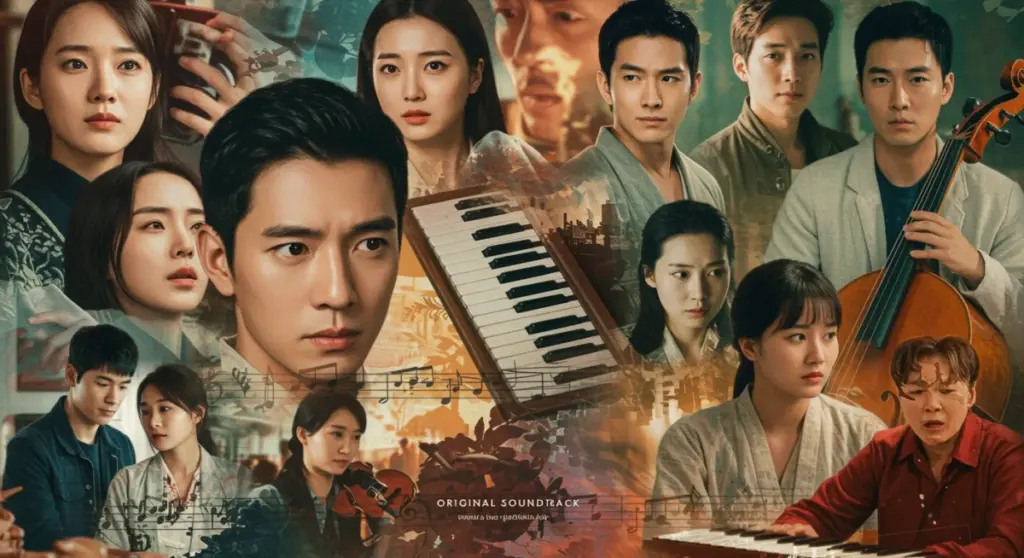
This guide provides an in-depth look into the world of Asian drama Original Soundtracks, offering insights into how to identify and appreciate the key musical themes that elevate storytelling and character development within these beloved series.
Por: Debora em 8 de fevereiro de 2026
Understanding Asian drama Original Soundtracks involves recognizing recurring musical motifs and their emotional connections to characters and plot points, significantly enriching the viewing experience.
Have you ever found yourself humming a melody long after an Asian drama episode ends? That’s the power of an Original Soundtrack (OST), and this Asian Drama OST Guide is here to help you unravel its magic. Far from mere background noise, OSTs are integral to the storytelling, deepening emotional impact and defining narrative arcs. Let’s dive into how these musical masterpieces are crafted and how you can identify their key musical themes.
The Art of Asian Drama OSTs: More Than Just Music
Asian drama OSTs are a unique blend of artistry and strategic storytelling, carefully composed to enhance every scene. They are not simply collections of songs but rather meticulously curated soundscapes that guide the viewer through the narrative’s emotional peaks and valleys. From the soaring ballads of K-dramas to the intricate instrumental pieces of J-dramas and the grand orchestral arrangements of C-dramas, each OST serves a vital purpose in shaping the audience’s experience.
Understanding the role of an OST involves recognizing its direct contribution to character development and plot progression. A well-placed musical theme can convey unspoken emotions, hint at future events, or reinforce a character’s internal struggle, often more effectively than dialogue alone. This intricate relationship between sound and narrative is what elevates Asian dramas to a truly immersive art form, making their soundtracks as memorable as the stories they accompany.
Compositional Approaches and Cultural Influences
The creation of an Asian drama OST often involves a team of seasoned composers, lyricists, and vocalists who work closely with the drama’s director and writers. They aim to capture the essence of the story, infusing it with cultural nuances and contemporary sounds. Different regions bring their own distinct flavors to OST production.
K-Drama OSTs: Known for their powerful ballads, pop anthems, and R&B-infused tracks, often featuring popular idol singers.
J-Drama OSTs: Tend to lean towards instrumental pieces, often incorporating jazz, classical, or rock elements, with a focus on creating atmospheric soundscapes.
C-Drama OSTs: Frequently feature traditional Chinese instruments, grand orchestral scores, and often include operatic vocal styles, reflecting historical or fantastical themes.
The diverse cultural influences across Asia contribute significantly to the rich tapestry of OSTs. These elements are not just decorative; they are fundamental to the drama’s identity, providing a sonic anchor that grounds the narrative in its cultural context. By exploring these varied approaches, viewers can gain a deeper appreciation for the meticulous effort behind each soundtrack.
In conclusion, Asian drama OSTs are complex artistic endeavors that transcend simple musical accompaniment. They are integral to the narrative, weaving cultural threads and emotional depth into the fabric of the story. Recognizing their multifaceted role is the first step in truly appreciating their impact on the viewing experience.
Identifying Character Themes and Emotional Leitmotifs
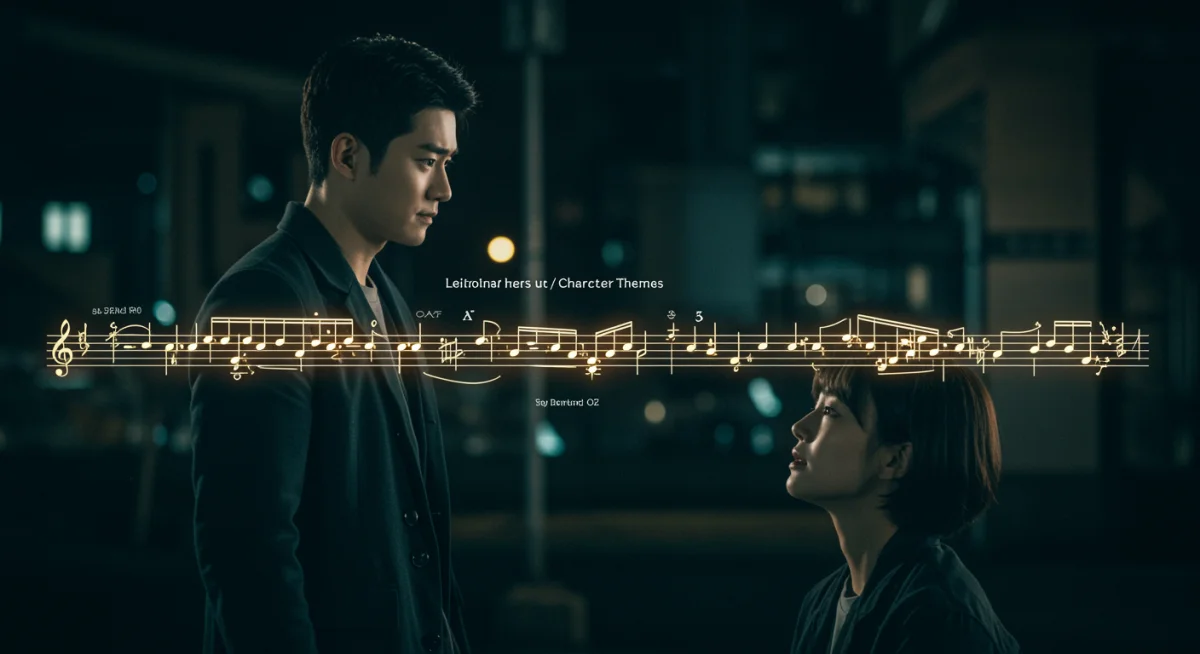
One of the most compelling aspects of an Asian drama OST is its ability to assign specific musical themes to characters or recurring emotional states. These are known as leitmotifs, short musical phrases or melodies that reappear throughout the drama, signaling a character’s presence, an impending mood, or a particular relationship. Learning to identify these leitmotifs can profoundly deepen your engagement with the story, allowing you to anticipate emotional shifts and understand character motivations on a subconscious level.
Character themes, for instance, are often introduced early in a drama and evolve alongside the character’s journey. A protagonist’s theme might start melancholic and grow more hopeful as they overcome challenges, or a villain’s theme might become more menacing with each appearance. These musical cues act as an auditory shorthand, providing immediate insight into the character’s current state or their role in the unfolding narrative.
The Nuances of Recurring Melodies
Leitmotifs are not always blatant; sometimes they are subtle variations of a main theme, played with different instrumentation or tempo to convey a different nuance. For example, a romantic theme might be played softly on a piano during a tender moment, then with a full orchestra during a climactic confession. Recognizing these variations is key to fully appreciating the composer’s craft.
Hero’s Theme: Often uplifting, determined, and memorable, frequently featuring strong melodic lines.
Villain’s Theme: Typically dark, dissonant, or unsettling, generating a sense of unease or threat.
Love Theme: Sweet, melodic, and often uses string instruments or piano, evoking feelings of romance and longing.
Tragedy Theme: Somber, slow, and often uses minor keys, reflecting sadness, loss, or impending doom.
These recurring melodies serve as emotional anchors, helping the audience connect with the characters and their experiences. They create a sense of familiarity and continuity, even when the plot takes unexpected turns. The emotional resonance of these themes often lingers long after the drama concludes, becoming synonymous with the characters they represent.
In essence, identifying character themes and emotional leitmotifs transforms passive viewing into an active, interpretive experience. It allows you to ‘hear’ the story as much as you ‘see’ it, unlocking deeper layers of meaning and emotional connection within the Asian drama narrative.
Understanding Instrumentation and Genre Blending
The choice of instruments and the blending of genres are critical components in crafting a compelling Asian drama OST. Composers meticulously select instruments that best convey the desired mood, cultural context, and emotional weight of a scene. This often involves a sophisticated interplay between traditional Asian instruments and modern Western orchestral or electronic sounds, creating a rich and distinctive sonic palette.
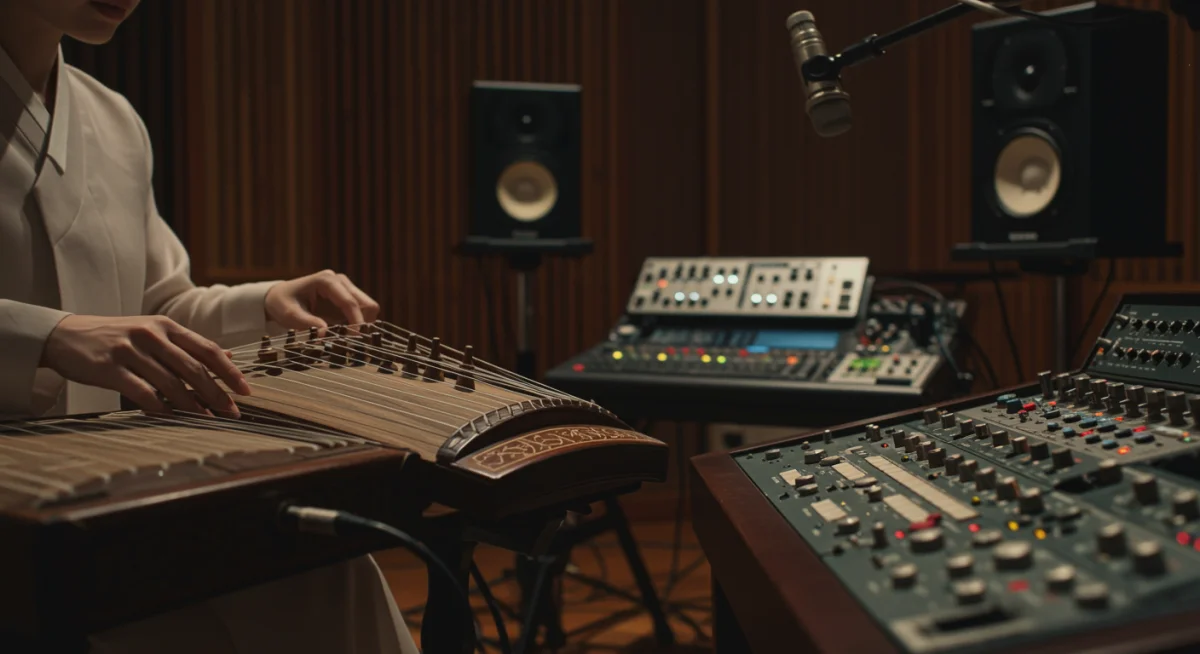
For instance, a historical drama might heavily feature instruments like the gayageum (Korean zither), pipa (Chinese lute), or shamisen (Japanese lute) to root the story in its period. Conversely, a contemporary romance might lean on acoustic guitars, synthesizers, and pop-infused beats to reflect modern sensibilities. The deliberate combination of these elements is what gives each OST its unique character and helps to define the drama’s overall atmosphere.
The Fusion of Old and New
Many Asian drama OSTs excel at genre blending, seamlessly integrating diverse musical styles. This fusion can range from classical orchestrations with modern drum beats to traditional folk melodies infused with electronic textures. The goal is often to create a sound that feels both timeless and contemporary, appealing to a broad audience while retaining cultural authenticity.
Traditional Instruments: Use of instruments like the erhu, guzheng, gayageum, koto, or shakuhachi to evoke historical settings or cultural depth.
Western Orchestra: Employing strings, brass, woodwinds, and percussion for grand emotional moments, action sequences, or dramatic tension.
Contemporary Genres: Incorporating elements of pop, rock, R&B, jazz, and electronic music to reflect modern themes, youthful energy, or specific character personalities.
This careful selection and blending of instrumentation and genres allow OSTs to achieve incredible emotional versatility. A single drama’s soundtrack might feature a melancholic piano piece, an upbeat pop song, and an epic orchestral track, all contributing to the overarching narrative without feeling disjointed. This versatility is a hallmark of high-quality Asian drama music, making each OST a journey in itself.
Ultimately, by paying attention to the instruments used and the genres blended, viewers can gain a deeper understanding of the composer’s intentions and the drama’s thematic underpinnings. It’s a testament to the creativity and skill involved in producing these intricate musical scores.
Lyrics as Narrative Devices: Unpacking the Story in Songs
While instrumental pieces set the mood, the lyrical songs within an Asian drama OST often serve as direct narrative devices, offering explicit insights into characters’ thoughts, feelings, and the drama’s overarching themes. These songs are strategically placed during pivotal scenes or used as opening and closing themes, effectively summarizing emotional arcs or foreshadowing future events. Understanding the lyrics can unlock deeper layers of the story, providing context and emotional resonance that might not be immediately apparent from the visuals alone.
Often, the lyrics are written from a specific character’s perspective, even if not explicitly stated, giving voice to their internal monologues or unexpressed desires. A love song might articulate a character’s longing, while a melancholic ballad could reflect their sorrow or regret. By analyzing these lyrical narratives, viewers can gain a more intimate understanding of the characters’ journeys and the emotional core of the drama.
Connecting Lyrics to Plot Points
Composers and lyricists work hand-in-hand with drama producers to ensure that the song lyrics align perfectly with the plot and character development. It’s common for a song’s meaning to shift or deepen as the story progresses, revealing new interpretations with each listen. This dynamic relationship between music and narrative makes the lyrics a powerful tool for emotional manipulation and thematic reinforcement.
Theme Songs: Often summarize the drama’s main premise or emotional conflict, setting the tone for the entire series.
Character Songs: Express the inner world, struggles, or desires of a specific character, providing a window into their psyche.
Moment-Specific Songs: Written to perfectly complement a particular scene, enhancing its emotional impact and providing lyrical commentary.
The careful crafting of lyrics ensures that they are not just catchy tunes but meaningful contributions to the narrative. They can highlight key plot points, reveal hidden motivations, or simply amplify the emotional weight of a scene, making the viewing experience more profound and memorable. For many fans, revisiting an OST track years later can instantly bring back specific memories and emotions from the drama.
In summary, the lyrics within Asian drama OSTs are invaluable narrative devices. They provide a direct pathway to understanding the emotional landscape of the story and its characters, making them an essential element for any viewer seeking a deeper connection with the drama.
The Role of Vocalists and Their Emotional Delivery
The vocalists chosen for Asian drama OSTs play a pivotal role in conveying the emotional depth and narrative nuances of the songs. Their voices are not merely instruments; they are storytellers, capable of infusing lyrics with raw emotion, vulnerability, or power that resonates deeply with the audience. The selection of a vocalist is a meticulous process, often based on their ability to match their vocal style and emotional range to the specific themes and characters of the drama.
A vocalist’s delivery can transform a simple melody into a poignant expression of love, heartbreak, joy, or despair. Their unique timbre, vocal techniques, and interpretive skills are crucial in amplifying the emotional impact of a scene, making certain songs instantly recognizable and forever linked to iconic drama moments. This human element often becomes the heart of an OST, creating an intimate connection between the music and the viewer.
Iconic Voices and Their Impact
Many Asian drama OSTs feature well-known singers, often referred to as ‘OST Queens’ or ‘OST Kings,’ who have a proven track record of delivering emotionally charged performances. Their voices become synonymous with certain types of dramas or emotional themes, creating a powerful brand association. The anticipation of who will sing the next OST for a highly-awaited drama is often a topic of fervent discussion among fans.
Power Ballads: Vocalists with strong, resonant voices are chosen to deliver emotionally intense ballads, often used for climactic romantic or tragic scenes.
Soft & Melodic: Singers with gentle, soothing voices are often featured in serene or heartwarming moments, particularly in slice-of-life or healing dramas.
Energetic Pop/Rock: Dynamic vocalists are selected for upbeat tracks that accompany action sequences, comedic moments, or triumphant character arcs.
The vocalist’s ability to interpret and convey the underlying emotion of a song is paramount. They breathe life into the lyrics, turning them into a powerful emotional conduit for the drama’s narrative. This careful consideration of vocal talent ensures that every note and every word contribute meaningfully to the overall storytelling experience, leaving a lasting impression on the audience.
Ultimately, the vocalists are the emotional bridge between the music and the viewer. Their performances are indispensable to the success of an Asian drama OST, cementing the songs in the hearts and minds of fans long after the credits roll.
The Evolution of OST Production: Trends and Innovations
The landscape of Asian drama OST production is constantly evolving, driven by technological advancements, changing musical tastes, and the global expansion of Asian dramas. What began as simple background music has blossomed into a sophisticated industry, with OSTs often becoming standalone hits that rival mainstream music releases. This evolution reflects a growing recognition of the OST’s critical role in a drama’s overall success and cultural impact.
Modern OSTs frequently incorporate cutting-edge production techniques, experimenting with diverse sound engineering, digital instrumentation, and collaborative efforts between international artists. This willingness to innovate keeps the genre fresh and relevant, attracting new listeners and pushing the boundaries of what a drama soundtrack can achieve. The trends in OST production often mirror broader shifts in the global music industry, yet always retain a distinctive Asian drama flair.
Technological Advancements and Global Reach
Digital distribution platforms and social media have revolutionized how OSTs are consumed and promoted. Songs are often released as singles even before the drama airs, building anticipation and generating buzz. This proactive approach to marketing has turned OSTs into powerful promotional tools, reaching a global audience instantaneously.
Digital Production: Increased use of synthesizers, digital audio workstations (DAWs), and advanced mixing techniques for richer soundscapes.
Cross-Genre Collaborations: More frequent collaborations between composers from different musical backgrounds and artists from various genres.
Interactive Fan Engagement: OSTs are heavily promoted on social media, with fans actively participating in discussions, creating covers, and sharing their favorite tracks.
The global popularity of Asian dramas, particularly K-dramas, has also led to OSTs featuring artists from different countries, further diversifying the musical offerings. This internationalization enriches the sound and broadens the appeal, making OSTs a truly global phenomenon. The production process has become more collaborative and dynamic, reflecting the interconnectedness of the modern entertainment industry.
In conclusion, the evolution of OST production highlights a dynamic industry committed to innovation and artistic excellence. By embracing new technologies and global collaborations, Asian drama OSTs continue to captivate audiences worldwide, cementing their status as an indispensable part of the drama experience.
Curating Your Own Asian Drama OST Playlist: A Listener’s Guide
After understanding the intricate layers of Asian drama OSTs, the next step is to curate your own personalized playlist. This isn’t just about collecting your favorite songs; it’s about building a collection that resonates with you emotionally, reminds you of cherished drama moments, and perhaps even helps you discover new musical genres. A well-curated OST playlist can serve as a powerful auditory diary, bringing back memories and emotions from the dramas that have touched your heart.
The process involves actively listening, identifying the themes that speak to you, and organizing them in a way that creates a cohesive and enjoyable listening experience. Whether you prefer melancholic ballads, upbeat pop anthems, or dramatic instrumental scores, there’s an endless array of choices waiting to be discovered. This guide empowers you to move beyond passive listening and become an active curator of your own unique musical journey through Asian dramas.
Tips for Building Your Ultimate OST Collection
Building a great OST playlist requires a bit of intentionality. Start by revisiting dramas you loved and pinpointing the songs that stood out. Consider how the music made you feel during specific scenes and what themes they represented. Don’t be afraid to explore OSTs from dramas you haven’t watched yet; sometimes a song can lead you to a new favorite series.
Categorize by Mood: Create playlists for different moods (e.g., ‘Relaxing OSTs,’ ‘Workout OSTs,’ ‘Cry Your Heart Out OSTs’).
Categorize by Drama: Keep separate playlists for each drama to easily relive specific stories and character arcs.
Explore Instrumental Tracks: Don’t overlook the instrumental pieces; they often carry significant emotional weight and can be perfect for background listening.
Discover New Artists: Pay attention to the vocalists and composers; many have extensive discographies beyond drama OSTs.
Additionally, consider the lyrical content. If you understand the language, the lyrics can add another layer of appreciation. If not, many fan communities provide translations, allowing you to fully grasp the song’s narrative contribution. This active engagement enriches your connection to the music and the dramas.
In conclusion, curating your own Asian drama OST playlist is a rewarding experience that deepens your appreciation for the music and the stories. By actively identifying key musical themes and organizing your collection thoughtfully, you create a personal soundtrack to your emotional journey through the captivating world of Asian dramas.
Key Aspect
Brief Description
Leitmotifs
Recurring musical phrases linked to characters or emotions, guiding narrative understanding.
Instrumentation
Choice of instruments (traditional/modern) shapes mood, setting, and cultural context.
Lyrical Narrative
Song lyrics act as direct commentary on plot, character feelings, and overall themes.
Vocal Delivery
Vocalists infuse songs with emotion, amplifying impact and connecting to drama’s narrative.
Frequently Asked Questions About Asian Drama OSTs
What is an Original Soundtrack (OST) in Asian dramas?▼
An OST is the collection of music specifically composed and selected for a drama. It includes instrumental background music, theme songs, and character songs, all designed to enhance the story’s emotional impact and narrative depth. They are integral to the viewing experience.
How do OSTs enhance character development in dramas?▼
OSTs often feature specific leitmotifs or character themes that recur, signaling a character’s presence or emotional state. These musical cues evolve with the character’s journey, providing auditory insights into their internal struggles, growth, and relationships, making them more relatable.
Why are lyrics important in Asian drama OST songs?▼
Lyrics in OST songs act as narrative devices, often articulating characters’ unexpressed thoughts, feelings, or foreshadowing plot points. They provide direct commentary on the story, deepening emotional resonance and offering additional layers of understanding for the audience.
Do different Asian countries have distinct OST styles?▼
Yes, K-dramas often feature ballads and pop, J-dramas lean towards instrumental and diverse genres, while C-dramas frequently use traditional instruments and grand orchestral scores. These regional differences reflect cultural musical traditions and storytelling approaches.
How can I start curating my own Asian drama OST playlist?▼
Begin by identifying songs from dramas you love that evoke strong emotions. Categorize them by mood, drama, or even specific vocalists. Explore instrumental tracks and consider lyrical meanings to build a personalized collection that enhances your connection to the dramas.
Conclusion
The journey through the world of Asian drama OSTs reveals a rich tapestry of musical artistry, deeply intertwined with narrative and emotion. From the subtle nuances of leitmotifs that define characters to the powerful storytelling embedded in lyrics and the evocative delivery of vocalists, every element of an OST is meticulously crafted. Understanding these key musical themes not only enhances your viewing experience but also opens up a new dimension of appreciation for the creative genius behind these captivating dramas. As you continue to explore Asian dramas, let the music guide you, allowing it to deepen your connection to the stories and characters that resonate so profoundly.