Asian drama fashion trends are significantly influencing US styles, introducing unique aesthetics like minimalist elegance and vibrant streetwear that resonate with American audiences by 2026.
Por: Debora em 25 de fevereiro de 2026
Asian drama fashion trends are significantly influencing US styles, introducing unique aesthetics like minimalist elegance and vibrant streetwear that resonate with American audiences by 2026.
Have you ever found yourself captivated not just by the compelling storylines of your favorite Asian dramas, but also by the stunning wardrobes of their characters? The profound impact of these visual narratives extends far beyond entertainment, subtly shaping the global fashion landscape. By 2026, the influence of Asian drama fashion trends on US styles is undeniable, marking a significant shift in how Americans perceive and adopt contemporary clothing. This cultural exchange is more than just a passing fad; it’s a deep integration of diverse aesthetics into everyday American wear.
The Rise of K-Drama Chic: Minimalism Meets Modernity
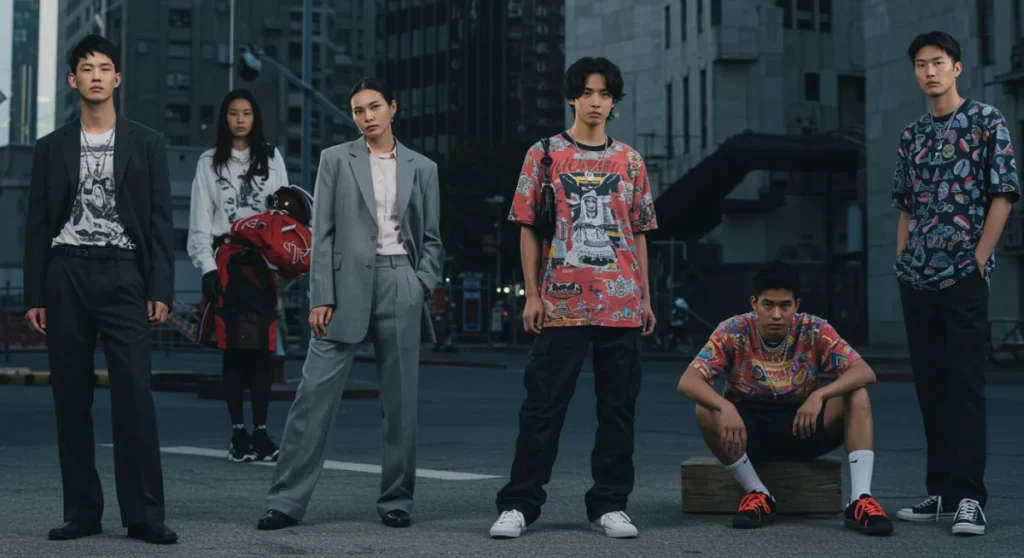
Korean dramas, often known as K-dramas, have become a global phenomenon, captivating millions with their intricate plots, charismatic actors, and, crucially, their impeccable fashion. The aesthetic presented in K-dramas is characterized by a sophisticated blend of minimalism, comfort, and unexpected details. This “K-drama chic” has steadily permeated American fashion, moving beyond niche fan circles into mainstream acceptance.
By 2026, we observe a widespread adoption of K-drama-inspired silhouettes and color palettes. Oversized blazers, wide-leg trousers, and tailored yet relaxed pieces are now staples in many American wardrobes. The emphasis on neutral tones—beiges, grays, whites, and blacks—often punctuated by a single vibrant accessory or a subtle pattern, reflects a mature and understated elegance that resonates with a growing number of US consumers seeking refined yet effortless looks.
Key Elements of K-Drama Fashion Influence
The influence isn’t just about specific garments; it’s about a complete stylistic approach. K-dramas excel at showcasing how to create polished looks that are both comfortable and office-appropriate, blurring the lines between casual and formal wear.
Layering Techniques: Mastering the art of layering, often seen in K-dramas, has become a popular way to add depth and interest to outfits in the US.
Gender-Neutral Apparel: Many K-drama styles embrace fluid, gender-neutral designs, promoting a more inclusive approach to fashion that appeals to a diverse US audience.
Comfort-First Philosophy: Despite their polished appearance, K-drama outfits prioritize comfort, a value highly regarded in American everyday fashion.
This fusion of style and practicality is a major draw. American fashion has traditionally leaned towards distinct categories for work, casual, and formal wear. K-drama fashion, with its seamless transitions between these categories, offers a refreshing alternative. It teaches how to look put-together without sacrificing ease of movement or personal expression, a lesson that US fashion has eagerly embraced.
J-Drama and Japanese Streetwear: Boldness and Innovation
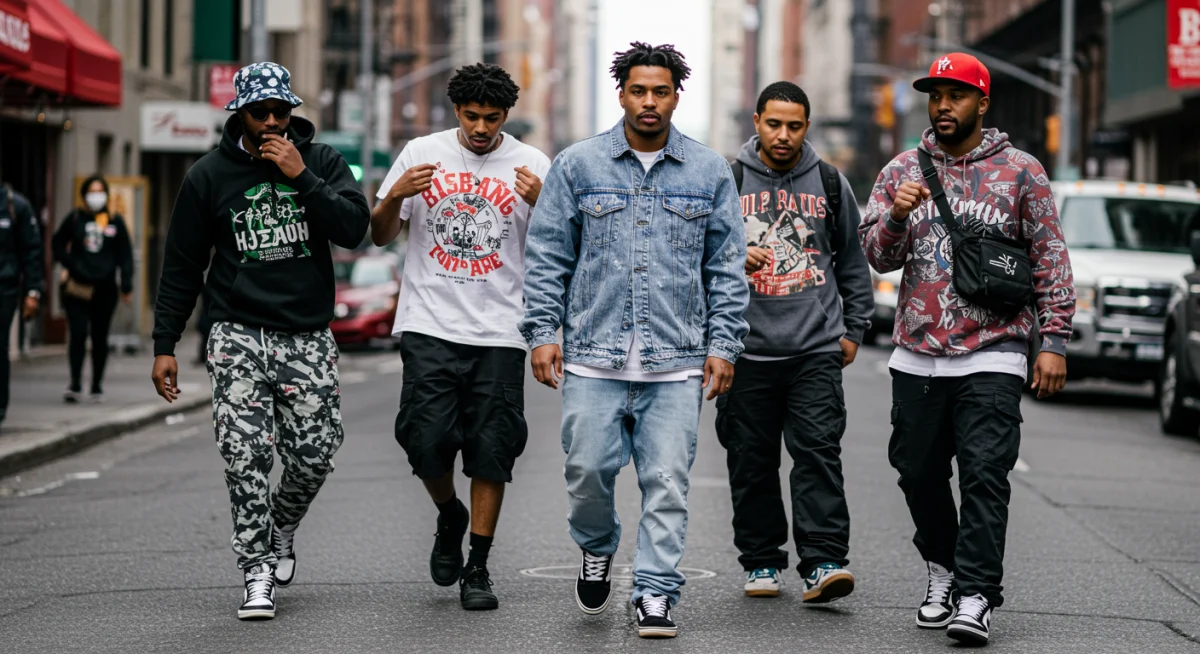
While K-dramas bring a refined elegance, Japanese dramas (J-dramas) and the broader Japanese fashion scene, particularly streetwear, offer a more avant-garde and experimental influence on US styles. Japanese fashion has long been a global trendsetter, known for its daring silhouettes, intricate detailing, and fearless approach to color and texture. This aesthetic, amplified through J-dramas and the visibility of Japanese street style icons, is making significant waves in the US by 2026.
The impact is visible in the increasing popularity of deconstructed garments, oversized proportions, and a playful mix of patterns and prints. American youth culture, always on the lookout for unique ways to express individuality, has particularly gravitated towards the distinctive and often whimsical styles showcased in J-dramas and Japanese fashion magazines. This influence encourages a departure from conventional norms, promoting creativity and personal storytelling through clothing.
Iconic Japanese Fashion Staples in the US
Certain elements of Japanese fashion have become undeniably prominent in US wardrobes. These pieces are not merely adopted; they are often reinterpreted and integrated into existing American styles, creating a unique hybrid.
Graphic Tees and Hoodies: Bold, art-inspired graphic tees and oversized hoodies, a cornerstone of Japanese streetwear, are now ubiquitous in American casual wear.
Avant-Garde Accessories: Unique hats, layered necklaces, and unconventional bags, often seen in J-dramas, are being incorporated to add an edge to American outfits.
Platform Shoes and Sneakers: The emphasis on distinctive footwear, from chunky sneakers to platform boots, mirrors the Japanese fashion scene’s focus on statement shoes.
The Japanese influence extends beyond specific items to a philosophical approach to dressing: fashion as a form of art and self-expression. This resonates deeply with a generation of American consumers who seek authenticity and individuality in their choices. The willingness to experiment with unconventional pairings and silhouettes, inspired by J-dramas, suggests a more adventurous spirit in US fashion.
C-Drama’s Historical Elegance and Modern Fusion
Chinese dramas, or C-dramas, especially those set in historical periods, have introduced a different facet of Asian fashion influence to the US. While less about everyday streetwear, their impact lies in the appreciation for intricate details, luxurious fabrics, and flowing silhouettes that hint at traditional aesthetics. By 2026, elements inspired by C-drama historical costumes are subtly making their way into contemporary American fashion, particularly in formal wear and bespoke designs.
The influence is not a direct replication of historical attire but rather an absorption of its essence. We see hints of traditional Chinese embroidery patterns reinterpreted on modern garments, elegant mandarin collars on blouses and dresses, and the graceful drape of silk and satin becoming more prevalent. This demonstrates a growing appreciation for the artistry and craftsmanship embedded in traditional Chinese clothing, translating into a desire for more sophisticated and culturally rich pieces in the American market.
Subtle Integrations of C-Drama Aesthetics
The integration of C-drama-inspired elements into US fashion is often subtle, focusing on individual components rather than entire ensembles. This allows for a harmonious blend with existing Western styles.
Embroidered Motifs: Delicate floral or mythological embroidery, reminiscent of traditional Chinese textiles, appearing on jackets, skirts, and accessories.
Silken Textures: A renewed interest in luxurious silk and satin fabrics for evening wear and special occasions, echoing the opulence of C-drama costumes.
Architectural Silhouettes: Structured yet flowing lines that draw inspiration from the layered and elegant forms of historical Chinese garments.
This cross-cultural inspiration enriches the American fashion landscape, offering alternatives to purely Western designs. It caters to a segment of the population that seeks uniqueness and a deeper connection to global heritage through their clothing choices. The influence of C-dramas highlights how Asian cultures collectively contribute to a more diverse and globally informed fashion sensibility in the US.
The Role of Social Media and Global Accessibility
The rapid dissemination of Asian drama fashion trends in the US by 2026 is inextricably linked to the power of social media and increased global accessibility. Platforms like TikTok, Instagram, and YouTube act as crucial conduits, transforming niche interests into widespread phenomena. Fashion bloggers, influencers, and even drama fan accounts regularly break down character outfits, provide styling tips, and identify brands, making these styles immediately accessible and aspirational to a US audience.
Furthermore, the rise of e-commerce and international shipping has made it easier than ever for American consumers to purchase clothing directly from Asian brands or find similar styles locally. This seamless flow of information and goods means that a trend seen in a K-drama today can be replicated and adopted by American consumers within weeks or even days. The geographical barriers that once slowed down fashion diffusion have largely dissolved.
Platforms Accelerating Fashion Diffusion
Various digital channels play a pivotal role in bridging the gap between Asian drama wardrobes and American closets.
TikTok Challenges: Fashion challenges inspired by drama characters encourage users to recreate looks, amplifying visibility and engagement.
Instagram Fashion Accounts: Dedicated accounts dissect outfits, identify brands, and offer styling alternatives, creating a direct link for consumers.
YouTube Hauls: Influencers showcase purchases of Asian-inspired fashion, providing reviews and styling ideas that resonate with their followers.
This digital ecosystem has democratized fashion, allowing trends to emerge organically from diverse sources rather than being solely dictated by traditional fashion capitals. The direct engagement between fans and content creators fosters a sense of community and shared discovery, further cementing the influence of Asian drama fashion on US styles.
Beyond Aesthetics: Cultural Connection and Identity
The influence of Asian drama fashion trends on US styles in 2026 goes deeper than mere aesthetics; it represents a significant cultural connection and an evolving sense of identity. For many, adopting these styles is a way to express appreciation for Asian cultures, connect with beloved characters, or even signal a broader global awareness. Fashion becomes a tangible link to the narratives and values presented in these dramas, fostering a sense of belonging and shared experience.
For Asian Americans, these trends offer a powerful way to celebrate their heritage and see their culture reflected in mainstream fashion. For non-Asian Americans, it’s an opportunity to explore new aesthetics, challenge traditional fashion norms, and embrace a more diverse global perspective. This cultural dialogue through clothing promotes understanding and breaks down barriers, making fashion a vehicle for cross-cultural appreciation rather than appropriation.
Fashion as a Cultural Bridge
The adoption of Asian drama-inspired fashion serves multiple purposes, enriching individual expression and fostering cultural dialogue.
Expression of Fandom: Wearing styles seen in dramas allows fans to outwardly express their passion and connection to the stories and characters.
Celebration of Diversity: Embracing these trends signifies an open-mindedness towards global fashion and a celebration of diverse cultural aesthetics.
Identity Exploration: For many, experimenting with these styles is part of a broader journey of self-discovery and defining personal identity.
This deeper engagement highlights that fashion is not just about what we wear, but what it communicates about who we are and what we value. The sustained impact of Asian drama fashion trends on US styles by 2026 underscores a shift towards a more interconnected and culturally fluid global fashion identity.
Future Outlook: Sustained Influence and Evolution
Looking towards the future, the influence of Asian drama fashion trends on US styles is unlikely to wane. If anything, it is poised for continued growth and evolution. As Asian entertainment continues to expand its global reach, new styles and aesthetics will emerge, constantly refreshing the fashion dialogue. Designers in the US are already taking cues from these trends, integrating them into their collections and creating a more hybrid, globalized fashion landscape.
The ongoing cross-pollination of ideas ensures that American fashion will remain dynamic and innovative. We can expect to see more collaborations between Western and Asian designers, a greater emphasis on sustainable and ethically produced garments inspired by traditional Asian craftsmanship, and an even more fluid interpretation of gender and formality in clothing. The influence is no longer a fleeting trend but a foundational shift in the fashion paradigm.
Anticipated Developments in Asian-Inspired US Fashion
The trajectory of this influence suggests several exciting developments that will further shape US fashion in the coming years.
Increased Designer Collaborations: More partnerships between US and Asian designers, leading to innovative collections that blend diverse aesthetics.
Focus on Sustainable Practices: Inspiration from traditional Asian textile practices and a growing emphasis on slow fashion and ethical production.
Broader Age Demographics: While currently popular among youth, these trends will likely expand to influence older demographics seeking comfort and elegance.
The future of fashion in the US is undeniably multicultural, with Asian dramas playing a pivotal role in this transformation. Their ability to consistently deliver captivating narratives alongside compelling visual aesthetics ensures their continued relevance as a potent force in shaping global style. The fashion landscape of 2026 is a testament to the power of cultural exchange, with Asian drama fashion trends firmly embedded in the American stylistic consciousness.
Key Trend
Description of Influence
K-Drama Minimalism
Sophisticated, comfortable, and gender-neutral styles with neutral palettes; widely adopted in US daily wear.
J-Drama Streetwear
Bold, experimental, and oversized silhouettes with graphic prints, appealing to American youth for self-expression.
C-Drama Historical Aesthetics
Subtle integration of intricate embroidery, luxurious fabrics, and elegant silhouettes into US formal and bespoke fashion.
Social Media & E-commerce
Accelerates trend diffusion, making Asian drama styles accessible and aspirational to a broad US audience.
Frequently Asked Questions About Asian Drama Fashion Trends
How do K-drama fashion trends differ from J-drama trends in US influence?▼
K-drama trends lean towards minimalist elegance, tailored comfort, and neutral palettes, influencing daily and office wear. J-drama trends, particularly streetwear, are bolder, more experimental, with oversized silhouettes and graphic prints, appealing to youth culture and individual expression.
What specific garments are popular due to Asian drama influence in the US?▼
Popular garments include oversized blazers, wide-leg trousers, tailored yet relaxed suits, graphic tees, hoodies, and distinctive platform shoes or sneakers. Additionally, items with subtle traditional Asian embroidery or mandarin collars are gaining traction.
Is this influence limited to specific age groups or demographics in the US?▼
While Asian drama fashion initially gained traction among younger demographics and Asian American communities, its influence is broadening. The comfort and sophistication of K-drama chic, particularly, are attracting older age groups seeking versatile and stylish options.
How has social media contributed to the spread of these fashion trends?▼
Social media platforms like TikTok and Instagram are vital. Influencers and fan accounts dissect character outfits, provide styling tips, and identify brands, making these trends immediately accessible and aspirational. E-commerce further facilitates direct purchasing from Asian brands.
Will Asian drama fashion trends remain relevant in US styles beyond 2026?▼
Yes, the influence is expected to be sustained and evolve. As Asian entertainment continues global expansion, new styles will emerge. Increased collaborations between Western and Asian designers and a deeper cultural appreciation suggest a long-term integration into the US fashion landscape.
Conclusion
By 2026, the indelible mark of Asian drama fashion trends on US styles is a clear testament to the power of cultural exchange in a globally connected world. From the refined minimalism of K-dramas to the bold experimentation of Japanese streetwear and the intricate elegance of C-drama-inspired elements, these influences have enriched American fashion, fostering a more diverse, inclusive, and expressive aesthetic. This ongoing dialogue through clothing not only broadens stylistic horizons but also deepens cultural understanding, signaling a future where fashion is truly a global tapestry woven with threads from every corner of the world.