East Asian Art in Dramas: A US Perspective
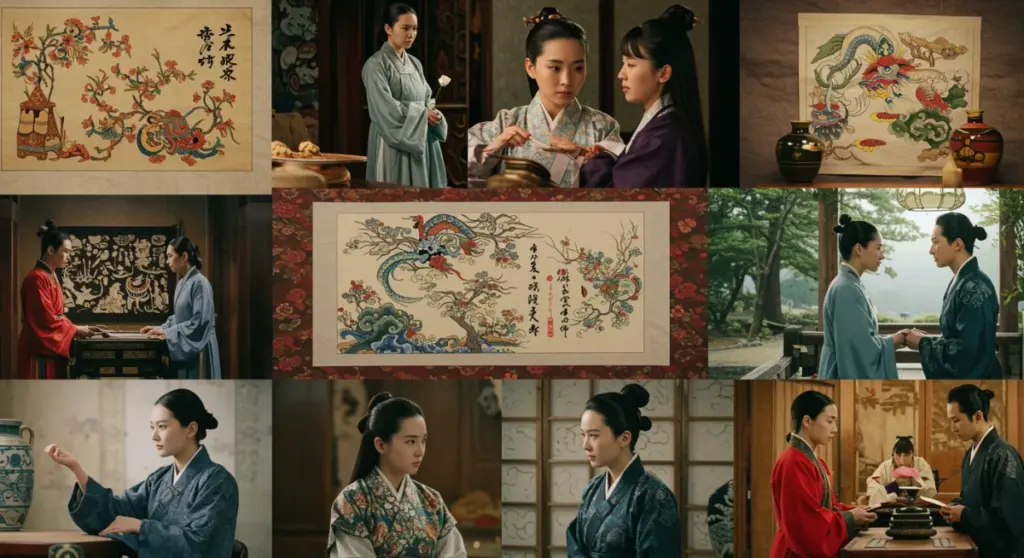
Modern Asian dramas frequently incorporate traditional East Asian art forms, captivating US audiences and enriching their understanding of diverse cultural aesthetics and historical narratives.
The global reach of Asian dramas has surged, captivating millions in the United States. A significant, often understated, element contributing to their allure is the intricate integration of traditional East Asian art forms in modern Asian dramas. Far from being mere backdrops, these artistic expressions become integral to storytelling, character development, and cultural immersion, offering a profound experience for US viewers.
The Visual Language of Asian Dramas: More Than Just Scenery
Modern Asian dramas are renowned for their stunning cinematography and meticulous attention to detail. This visual richness often extends to the incorporation of traditional art forms, which are not merely decorative but serve as a powerful visual language. For US audiences, these elements offer a window into the historical and cultural contexts that shape the narratives.
From the sweeping brushstrokes of calligraphy to the delicate patterns of traditional textiles, these artistic expressions infuse each scene with authenticity and depth. They help to establish the setting, define character personalities, and even foreshadow plot developments, making the viewing experience much more engaging and meaningful.
Calligraphy: The Art of Written Beauty
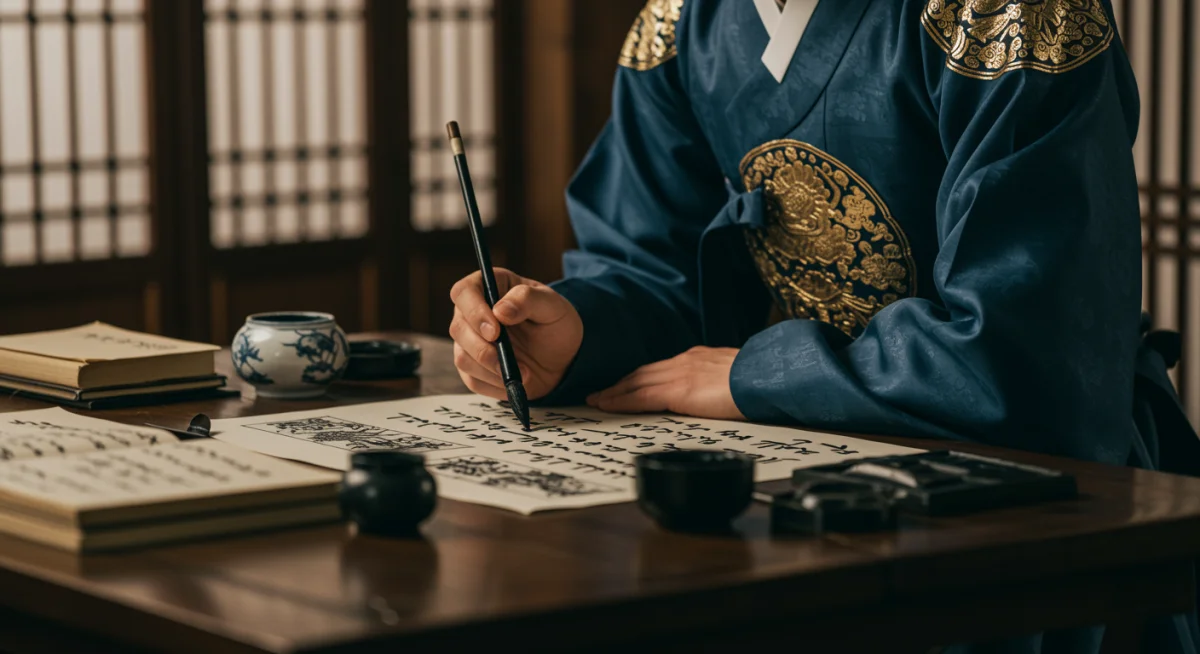
Calligraphy, a revered art form across East Asia, frequently appears in dramas, particularly historical ones. It symbolizes scholarship, refinement, and often, a character’s inner world. In Korean dramas, for instance, scenes of characters meticulously practicing calligraphy can highlight their discipline or contemplative nature.
- Symbolic Depth: Calligraphy often represents a character’s education, status, or moral integrity.
- Narrative Device: Ancient letters or scrolls penned in exquisite calligraphy can drive key plot points.
- Aesthetic Appeal: The visual beauty of brushstrokes adds an artistic layer to the scene, captivating viewers.
Traditional Painting: Historical Context and Emotional Resonance
Traditional East Asian paintings, whether landscape, portrait, or genre scenes, often feature prominently in dramas. These artworks can provide historical context, symbolize emotional states, or even act as direct plot elements. They ground the narrative in a rich cultural heritage, allowing US viewers to appreciate the historical aesthetics.
The use of traditional painting helps to transport the audience to a different era, immersing them in the visual culture of the time. This integration is crucial for creating a believable and resonant historical drama.
The visual language of traditional art forms in Asian dramas is a sophisticated tool that enhances storytelling, providing layers of meaning that resonate deeply with audiences. For US viewers, this exposure is often a first step into understanding the rich tapestry of East Asian cultures.
Textiles and Fashion: Weaving Stories Through Silk and Thread
The elaborate costumes in many Asian dramas, especially historical and fantasy genres, are themselves works of art, showcasing traditional textile techniques and fashion sensibilities. These garments are not just clothing; they are a reflection of social status, character identity, and cultural heritage, offering a rich visual feast for US viewers.
From the vibrant colors of Korean hanboks to the intricate patterns of Chinese hanfu and Japanese kimonos, these traditional outfits tell stories of their own. The fabrics, embroidery, and design elements are often deeply rooted in historical practices and symbolic meanings, contributing significantly to the drama’s authenticity and visual appeal.
Hanbok in K-Dramas: A Symphony of Color and Form
Korean historical dramas are celebrated for their stunning depiction of hanbok. Each design, color, and fabric choice is carefully curated to reflect the character’s social standing, personality, and the specific historical period. For American audiences, the hanbok offers a glimpse into a unique aesthetic tradition.
- Historical Accuracy: Costumes often reflect meticulous research into specific dynastic periods.
- Character Symbolism: Colors and patterns can signify royalty, social class, or personality traits.
- Artistic Expression: The intricate embroidery and flowing silhouettes are visual masterpieces.
Hanfu and Kimono: Cultural Identity and Narrative Elements
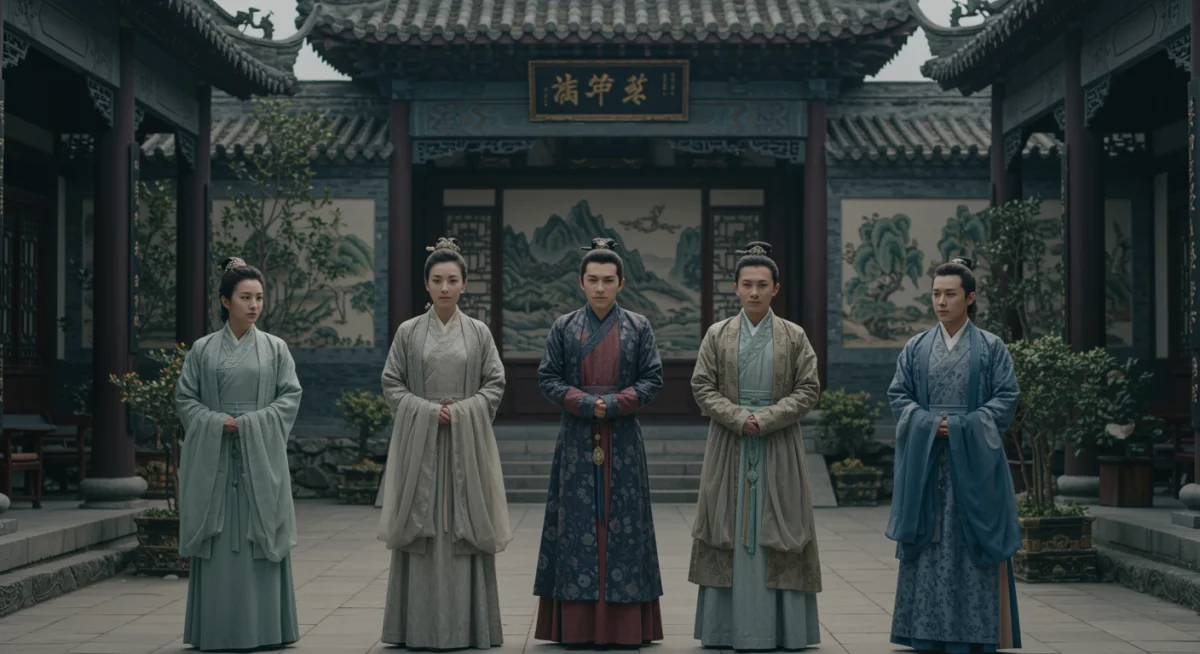
Similarly, Chinese historical dramas feature the elegant hanfu, with its flowing robes and elaborate designs, while Japanese dramas sometimes incorporate the iconic kimono. These garments are more than mere attire; they are cultural statements, embodying centuries of artistic tradition and craftsmanship.
The textiles used, such as silk and brocade, often feature traditional motifs like dragons, phoenixes, or floral patterns, each carrying symbolic weight. This attention to detail in costuming is a powerful way for dramas to convey cultural identity and enhance the narrative, drawing US viewers deeper into the story world.
The art of traditional textiles and fashion in Asian dramas is a dynamic element that enriches the visual storytelling. It allows US audiences to appreciate the beauty and complexity of East Asian sartorial traditions, making the viewing experience both educational and aesthetically pleasing.
Ceramics and Pottery: Functional Art in Dramatic Settings
Traditional ceramics and pottery play a vital role in setting the scene and conveying cultural nuances in modern Asian dramas. These functional art forms, from delicate celadon to robust earthenware, are more than just props; they are embodiments of craftsmanship, history, and daily life.
In historical dramas, particularly, the type of pottery used can indicate the era, region, and even the social status of the characters. For US audiences, the presence of these authentic pieces adds another layer of cultural immersion, allowing them to appreciate the artistry embedded in everyday objects.
Korean Celadon: Elegance and History
Korean dramas, especially those set during the Goryeo or Joseon dynasties, often feature exquisite celadon pottery. Its distinctive jade-green glaze and intricate inlaid designs are instantly recognizable and evoke a sense of historical elegance. Characters using celadon tea sets or serving dishes subtly convey refinement and adherence to tradition.
The inclusion of such specific historical artifacts helps to create a believable and rich environment, transporting viewers back in time. This attention to detail is a hallmark of high-quality drama production.
Chinese Porcelain and Japanese Pottery: Diversity in Craft
Chinese dramas frequently showcase various forms of porcelain, from the delicate blue-and-white ware of the Ming dynasty to the vibrant famille rose. Japanese dramas might feature rustic Raku ware or elegant Arita porcelain. Each type of pottery carries its own history and cultural significance, enriching the visual landscape of the drama.
These ceramic pieces are often used in scenes involving tea ceremonies, meals, or as decorative items in homes and palaces. Their presence not only adds to the aesthetic appeal but also subtly educates US audiences about the diversity and depth of East Asian ceramic traditions. The careful selection and display of these items underscore the drama’s commitment to historical and cultural authenticity.
Traditional Music and Dance: Rhythmic Storytelling
Beyond visual arts, traditional East Asian music and dance are frequently integrated into modern Asian dramas, serving as powerful narrative tools. These performing arts add an emotional and rhythmic dimension to storytelling, captivating US audiences with their unique aesthetics and cultural significance.
Whether it’s the haunting melodies of a traditional instrument or the graceful movements of a classical dance, these elements elevate the drama, providing insights into character emotions, cultural rituals, and historical events. They offer a multisensory experience that transcends language barriers.
Musical Instruments: Setting the Mood and Conveying Emotion
Dramas often feature traditional instruments like the gayageum (Korean), guzheng (Chinese), or koto (Japanese). The distinct sounds of these instruments are used to underscore dramatic moments, evoke specific historical periods, or express the inner feelings of characters. A melancholic gayageum melody, for example, can instantly convey sadness or longing.
- Emotional Resonance: Traditional music amplifies the emotional impact of scenes.
- Cultural Authenticity: Incorporates authentic musical traditions into the narrative.
- Historical Context: Specific instruments can signal the historical period of the story.
Classical Dance: Grace, Ritual, and Performance
Traditional dance forms, such as Korean court dance, Chinese classical dance, or Japanese Nihon Buyo, are often depicted in dramas as ceremonial performances, expressions of joy or sorrow, or even as forms of martial arts. These dance sequences are visually stunning and deeply symbolic, revealing cultural values and aesthetic ideals.
For US viewers, these dance scenes offer a fascinating glimpse into the performing arts traditions of East Asia. They are carefully choreographed to convey specific messages and emotions, enriching the narrative and providing a deeper cultural understanding.
The integration of traditional music and dance forms in Asian dramas demonstrates a holistic approach to cultural representation. These elements are not just entertainment; they are integral parts of the storytelling, providing a rich and immersive experience for audiences worldwide.
Architecture and Landscape Design: Framing the Narrative
The architectural styles and landscape designs in modern Asian dramas are often meticulously crafted to reflect traditional East Asian aesthetics, playing a crucial role in framing the narrative and immersing US audiences in the cultural setting. These elements are not just backdrops; they are active components that influence mood, character interactions, and plot progression.
From grand palaces and serene temples to humble traditional homes and meticulously designed gardens, the built environment and natural surroundings are imbued with historical and cultural significance. This careful attention to detail enhances the drama’s authenticity and visual appeal.
Traditional Architecture: Palaces, Temples, and Homes
Korean historical dramas showcase the distinctive lines of hanok architecture, with its curved roofs and natural materials, often set against breathtaking natural landscapes. Chinese dramas feature intricate imperial palaces with their imposing gates and ornate courtyards, while Japanese dramas might highlight minimalist yet elegant traditional houses.
These architectural styles convey a sense of history and cultural identity. The layout of buildings, the use of space, and the choice of materials all contribute to the drama’s atmosphere, providing visual cues about the characters’ lives and the social structure of the time. This helps US viewers to understand the historical context more deeply.
Gardens and Natural Settings: Symbolism and Serenity
Traditional East Asian gardens, with their emphasis on harmony with nature, often serve as settings for intimate conversations, reflective moments, or dramatic confrontations. Japanese rock gardens, Chinese scholar gardens, and Korean traditional gardens are designed with symbolic elements like water, rocks, and specific plants, each carrying philosophical meanings.
These natural settings are not just beautiful; they are symbolic spaces that mirror the characters’ inner states or reflect broader themes within the narrative. Their serene beauty offers a contrast to dramatic tensions, providing moments of calm and introspection. The careful integration of these elements ensures that the visual world of the drama is as rich and meaningful as its storyline.
The US Perspective: Appreciation and Cultural Exchange
The increasing popularity of modern Asian dramas in the United States has led to a growing appreciation for traditional East Asian art forms. For many US viewers, these dramas serve as their primary exposure to the rich cultural heritage of countries like Korea, China, and Japan. This exposure fosters cultural exchange and understanding, breaking down geographical and linguistic barriers.
The visually stunning integration of art forms makes these dramas not just entertaining but also highly educational. Viewers are exposed to traditional aesthetics, historical practices, and cultural values in an engaging and accessible format, sparking curiosity and encouraging further exploration.
Educational Impact and Soft Power
The subtle education provided by these dramas is a powerful form of soft power. By showcasing their traditional arts, East Asian countries are able to share their cultural narratives with a global audience. US viewers, in turn, gain a deeper, more nuanced understanding of these cultures, moving beyond stereotypes.
- Increased Awareness: Viewers become familiar with diverse art forms.
- Cultural Empathy: Understanding traditional contexts fosters greater cultural empathy.
- Tourism and Interest: Sparks interest in visiting East Asian countries and exploring their arts.
Bridging Cultural Gaps Through Art
The universal appeal of art transcends cultural differences. When traditional East Asian art forms are woven into compelling dramatic narratives, they become accessible and relatable to US audiences. This bridging of cultural gaps is invaluable in an increasingly interconnected world, fostering mutual respect and appreciation.
The continued success of Asian dramas in the US market underscores the power of storytelling combined with rich cultural aesthetics. This phenomenon proves that art, in all its forms, is a universal language that can connect people across continents and cultures, enriching lives and broadening perspectives.
| Key Aspect | Description |
|---|---|
| Visual Storytelling | Traditional art forms like calligraphy and painting serve as powerful visual languages, enriching narrative depth and character development. |
| Cultural Immersion | Costumes, pottery, and architecture immerse US audiences in historical and cultural contexts, fostering deeper understanding. |
| Performing Arts Integration | Traditional music and dance add emotional layers and rhythmic storytelling, enhancing the dramatic impact for viewers. |
| US Audience Impact | Dramas serve as a gateway for US viewers to appreciate East Asian aesthetics, promoting cultural exchange and soft power. |
Frequently Asked Questions About East Asian Art in Dramas
They are crucial for establishing historical authenticity, enriching character development, and providing deep cultural context. These art forms serve as a visual language that enhances storytelling and immerses audiences in the drama’s world, making it more engaging and resonant for viewers.
US audiences generally react positively, finding these elements captivating and educational. They appreciate the beauty and cultural depth, which often sparks further interest in East Asian cultures, history, and arts. It helps bridge cultural gaps and fosters a deeper appreciation.
Commonly featured art forms include calligraphy, traditional painting, intricate textiles (like hanbok and hanfu), ceramics and pottery (such as celadon and porcelain), and traditional music and dance. These are often integrated into set designs, costumes, and plot devices.
They often do both. While providing aesthetic beauty, these art forms frequently influence the plot by symbolizing character traits, driving narrative elements (e.g., a hidden message in a painting), or reflecting historical events, making them integral to the storytelling.
By showcasing traditional art forms, dramas act as a powerful medium for cultural exchange. They introduce diverse aesthetics and historical contexts to global audiences, fostering greater understanding, empathy, and appreciation for East Asian cultures, especially among US viewers.
Conclusion
The sophisticated integration of traditional East Asian art forms into modern Asian dramas is a compelling phenomenon that has significantly contributed to their global appeal, particularly in the United States. These artistic elements, ranging from calligraphy and textiles to architecture and music, transcend mere decoration, becoming fundamental components of storytelling, character development, and cultural immersion. For US audiences, this rich visual and auditory tapestry offers an accessible and engaging gateway into the vibrant histories and traditions of East Asia. The dramas not only entertain but also educate, fostering a deeper understanding and appreciation of diverse cultures. As the popularity of Asian dramas continues to soar, their role in promoting cultural exchange through the seamless blend of ancient artistry and contemporary narratives becomes ever more significant, enriching the global cultural landscape and strengthening cross-cultural connections.
Related Posts: