Asian Drama Clubs in US High Schools: Cultural Awareness
Asian drama clubs in US high schools are emerging as powerful platforms for cultural exchange, enabling teens to explore diverse narratives, foster understanding, and build vibrant, inclusive communities.
Por: Debora em 7 de fevereiro de 2026
Asian drama clubs in US high schools serve as dynamic hubs where students can immerse themselves in diverse narratives, fostering cultural understanding and promoting inclusive environments.
In an increasingly interconnected world, understanding and appreciating diverse cultures has become more crucial than ever. For many American high school students, this cultural exploration is happening in an unexpected, yet vibrant, space: the school’s Asian drama club. These clubs, focused on everything from K-dramas and J-dramas to C-dramas and Thai dramas, are rapidly gaining popularity across the United States, offering a unique avenue for teens to engage with different societies. The rise of Asian drama clubs in US high schools is not merely a trend; it represents a significant movement towards fostering cultural awareness and building bridges of understanding among young people.
The growing appeal of Asian dramas among American teens
Asian dramas, particularly K-dramas, have experienced a meteoric rise in global popularity over the past decade. This phenomenon is largely driven by compelling storylines, high production values, and relatable characters that resonate deeply with audiences worldwide, including American teenagers. The accessible nature of streaming platforms has made these shows readily available, transforming them from niche content into mainstream entertainment.
This widespread availability has allowed more students to discover and fall in love with Asian dramas, leading to a natural desire to connect with others who share this passion. The formation of high school clubs dedicated to these dramas provides a structured environment for this connection, where students can share their favorite shows, discuss plot twists, and delve into the cultural nuances presented on screen.
Beyond entertainment: educational value
While primarily seen as entertainment, Asian dramas offer significant educational value. They provide a window into various Asian societies, showcasing their traditions, social norms, and historical contexts. Students learn about different ways of life, family structures, and even political landscapes through the narratives they consume.
Language exposure: Many students are exposed to Korean, Japanese, Chinese, or other Asian languages through subtitles, sometimes sparking an interest in learning these languages formally.
Historical insights: Historical dramas offer a glimpse into past eras, helping students understand significant events and societal developments in Asia.
Social commentary: Contemporary dramas often tackle relevant social issues, prompting discussions about universal themes like class, gender, and mental health from a different cultural perspective.
The appeal of Asian dramas among American teens extends beyond mere viewership; it’s about active engagement and a hunger for cultural understanding. These clubs become spaces where this hunger can be satisfied, transforming passive consumption into active learning and community building.
Fostering cultural awareness and empathy
One of the most profound impacts of Asian drama clubs is their ability to foster cultural awareness and empathy. By regularly engaging with stories from different cultures, students naturally develop a broader perspective on the world. They begin to see similarities and differences between their own experiences and those depicted on screen, leading to a deeper appreciation for global diversity.
These clubs provide a safe space for students to ask questions, discuss cultural practices they might not understand, and challenge their preconceived notions. This open dialogue is crucial for developing empathy, as students learn to put themselves in the shoes of characters from vastly different backgrounds.
Breaking down stereotypes
Media representation can often perpetuate stereotypes. However, the diverse range of characters and storylines in Asian dramas can actively challenge these simplified views. Students encounter complex, multi-dimensional characters that defy common misconceptions about Asian people and cultures. This nuanced exposure helps dismantle stereotypes that might otherwise go unchallenged.
Diverse portrayals: Dramas showcase a wide array of personalities, professions, and social situations, moving beyond monolithic representations.
Humanizing experiences: By connecting emotionally with characters, students recognize the shared humanity that transcends cultural differences.
Nuanced perspectives: Debates within clubs often highlight the subtleties of cultural practices, preventing oversimplified interpretations.
Through these clubs, students don’t just watch dramas; they actively deconstruct them, engaging in critical thinking about media and culture. This critical engagement is a powerful tool for fostering a more inclusive and understanding generation, equipping them with the empathy needed to navigate a diverse world.
Building inclusive communities and social connections
High school can often be a challenging environment for students seeking belonging. Asian drama clubs offer a welcoming space for students from all backgrounds, particularly those who might feel marginalized or struggle to find their niche. These clubs attract a diverse membership, including Asian American students looking to connect with their heritage, and non-Asian students eager to explore new cultures.
The shared passion for Asian dramas acts as a powerful unifier, creating strong bonds among members. These connections often extend beyond club meetings, leading to lasting friendships and a sense of community within the school. The clubs become a microcosm of an ideal inclusive society, where differences are celebrated rather than ignored.
Leadership and collaboration skills
Beyond social connections, these clubs also provide valuable opportunities for students to develop leadership and collaboration skills. Students often take on roles such as club president, secretary, or event coordinator, learning to organize meetings, plan activities, and manage resources. These experiences are invaluable for personal growth and future endeavors.
Working together to plan themed events, movie nights, or cultural celebrations teaches students teamwork and problem-solving. They learn to delegate tasks, communicate effectively, and resolve conflicts, all within a supportive and engaging environment. These practical skills are just as important as the cultural learning that takes place.
The inclusive nature of these clubs ensures that every member feels valued and heard. This sense of belonging is vital for teenagers, fostering self-esteem and encouraging active participation. The social fabric woven within these clubs strengthens the overall school community, promoting a culture of acceptance and mutual respect.
Creative expression and cultural immersion activities
Asian drama clubs are not just about watching shows; they are platforms for creative expression and active cultural immersion. Many clubs go beyond passive viewing by organizing events and activities that allow members to delve deeper into the cultures represented in the dramas. This hands-on approach makes the learning experience more dynamic and memorable.
These activities can range from learning a few phrases in Korean or Japanese to trying out traditional crafts. The goal is to move beyond the screen and experience aspects of the culture firsthand, making the learning process interactive and fun. This direct engagement fosters a more profound appreciation for the cultures being explored.
Examples of engaging activities
Language learning sessions: Basic phrases and common expressions from popular dramas are taught, enhancing understanding and engagement.
Cooking classes: Students learn to prepare simple Asian dishes featured in dramas, connecting food with cultural identity.
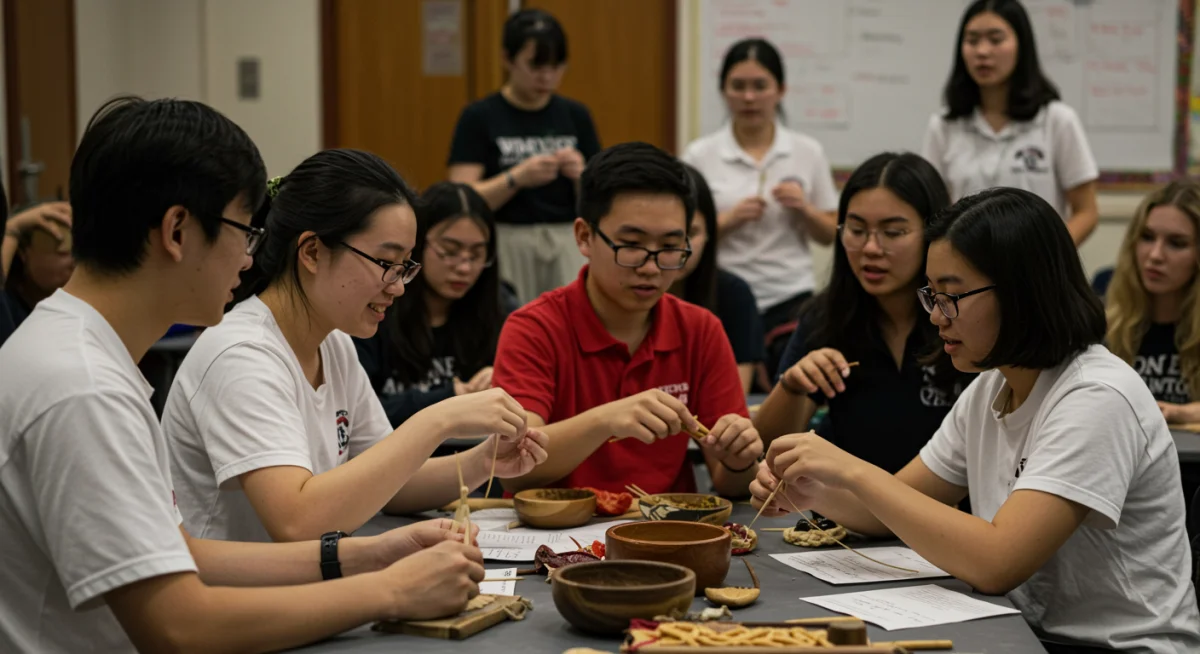
Traditional craft workshops: Activities like origami, calligraphy, or fan painting offer hands-on experience with cultural artistry.
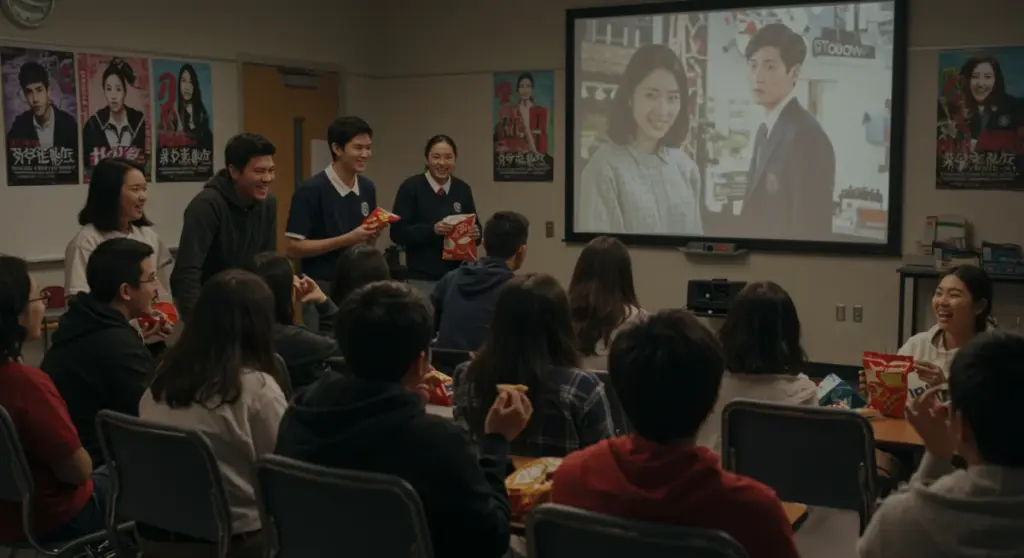
Themed movie nights: Clubs often host special screenings with themed decorations, food, and discussions, creating a festive atmosphere.
Role-playing or fan fiction: Encouraging students to write their own drama-inspired stories or act out scenes promotes creativity and deeper understanding of character motivations.
These creative and immersive activities transform the club from a simple viewing group into a vibrant cultural hub. Students don’t just consume culture; they actively participate in it, developing new skills and broadening their horizons in meaningful ways. The experiences gained through these activities often leave a lasting impact, sparking a lifelong interest in global cultures.
Challenges and opportunities for growth
While Asian drama clubs offer numerous benefits, they also face certain challenges. Funding can be an issue, as clubs often rely on school budgets or fundraising to cover costs for events, materials, and snacks. Finding dedicated faculty advisors who are knowledgeable about Asian cultures or willing to learn can also be a hurdle. Additionally, ensuring diverse representation within club leadership and content selection is crucial to avoid inadvertently promoting a narrow view of Asian cultures.
However, these challenges also present opportunities for growth and innovation. Clubs can seek partnerships with local community organizations, Asian cultural centers, or even online communities to gain resources and expertise. Fundraising efforts can involve the entire school community, raising awareness about the club’s mission.
Expanding reach and impact
To maximize their impact, Asian drama clubs can explore various strategies to expand their reach. Collaborating with other cultural clubs in the school, such as language clubs or international student associations, can lead to larger, more impactful events. Inviting guest speakers who have expertise in Asian cultures or who have lived in Asian countries can provide valuable insights and authentic perspectives.
Inter-club collaborations: Joint events with other cultural clubs can broaden participation and cross-pollinate ideas.
Community outreach: Engaging with local Asian communities can provide resources, mentorship, and authentic cultural experiences.
Digital engagement: Utilizing social media and online forums can help clubs connect with a wider audience and share their activities.
Curriculum integration: Working with teachers to integrate drama-related cultural topics into classroom discussions can enhance educational value.
By actively addressing these challenges and seizing opportunities, Asian drama clubs can continue to grow and strengthen their role in fostering cultural awareness. Their evolution reflects a dynamic adaptation to student interests and a commitment to promoting global understanding in creative ways.
The future of cultural exchange in high schools
The emergence and flourishing of Asian drama clubs in US high schools signal an exciting future for cultural exchange and education. These clubs are more than just social gatherings; they are informal learning environments that prepare students for a globally connected world. They demonstrate how popular culture can be a powerful vehicle for education, bridging gaps between entertainment and learning.
As technology continues to advance and global content becomes even more accessible, the role of such clubs will likely expand. They will continue to be vital spaces where students can explore, question, and appreciate the richness of human experience beyond their immediate surroundings. This grassroots movement is shaping a generation that is more culturally literate, empathetic, and open-minded.
Sustaining momentum and evolving practices
To sustain their momentum, Asian drama clubs will need to continuously adapt their practices, keeping up with emerging drama trends and student interests. This might involve exploring dramas from less commonly featured Asian countries or incorporating new technologies for interactive sessions. The key is to remain dynamic and responsive to the evolving landscape of global media and youth culture.
Diverse content curation: Regularly updating drama selections to include a wider range of Asian countries and genres keeps content fresh and engaging.
Student-led initiatives: Empowering students to propose and lead activities ensures relevance and fosters a sense of ownership.
Measuring impact: Regularly gathering feedback and assessing the cultural learning outcomes can help refine club activities and demonstrate their value.
Ultimately, the future of cultural exchange in high schools lies in fostering environments where students are encouraged to be curious, open, and actively engaged with the world around them. Asian drama clubs are at the forefront of this movement, proving that entertainment can indeed be a profound catalyst for cultural understanding and personal growth.
Key Aspect
Brief Description
Cultural Immersion
Clubs provide a direct window into Asian cultures through diverse drama narratives and related activities.
Empathy Development
Engaging with varied characters and storylines fosters understanding and empathy across cultural boundaries.
Community Building
These clubs create inclusive spaces where students form social connections based on shared interests.
Skill Development
Students gain leadership, collaboration, and critical thinking skills through club activities and discussions.
Frequently asked questions about Asian drama clubs
What exactly are Asian drama clubs in high schools?▼
Asian drama clubs are extracurricular groups in US high schools where students gather to watch, discuss, and engage with various Asian dramas, including K-dramas, J-dramas, and C-dramas. They often incorporate cultural activities related to the dramas they watch.
How do these clubs foster cultural awareness?▼
By exposing students to diverse narratives and cultural contexts, these clubs help members understand different customs, social norms, and historical perspectives. Discussions within the club further deepen this understanding and challenge stereotypes.
Are these clubs only for students of Asian descent?▼
No, Asian drama clubs are open to all students regardless of their background. They aim to create an inclusive environment where everyone interested in Asian culture and dramas can connect, learn, and share their passion.
What kind of activities do drama clubs typically organize?▼
Activities vary but often include watching drama episodes, discussing plots and cultural themes, learning basic language phrases, trying traditional crafts, cooking Asian dishes, and hosting themed movie nights or cultural celebrations.
How can a high school start its own Asian drama club?▼
Starting a club generally involves finding a faculty advisor, recruiting interested students, establishing a club constitution, and getting approval from school administration. Connecting with existing clubs or online resources can also provide guidance.
Conclusion
The rise of Asian drama clubs in US high schools is a testament to the power of shared interests in fostering global understanding. These clubs are not merely spaces for entertainment; they are dynamic educational environments where cultural awareness is nurtured, empathy is developed, and inclusive communities are built. By engaging with diverse narratives and participating in cultural activities, students are gaining invaluable insights into different societies, breaking down stereotypes, and developing crucial social and leadership skills. As these clubs continue to grow, they will undoubtedly play an increasingly vital role in shaping a generation of culturally literate and globally minded citizens, ready to navigate and contribute to an interconnected world with greater understanding and respect.